
Island Table
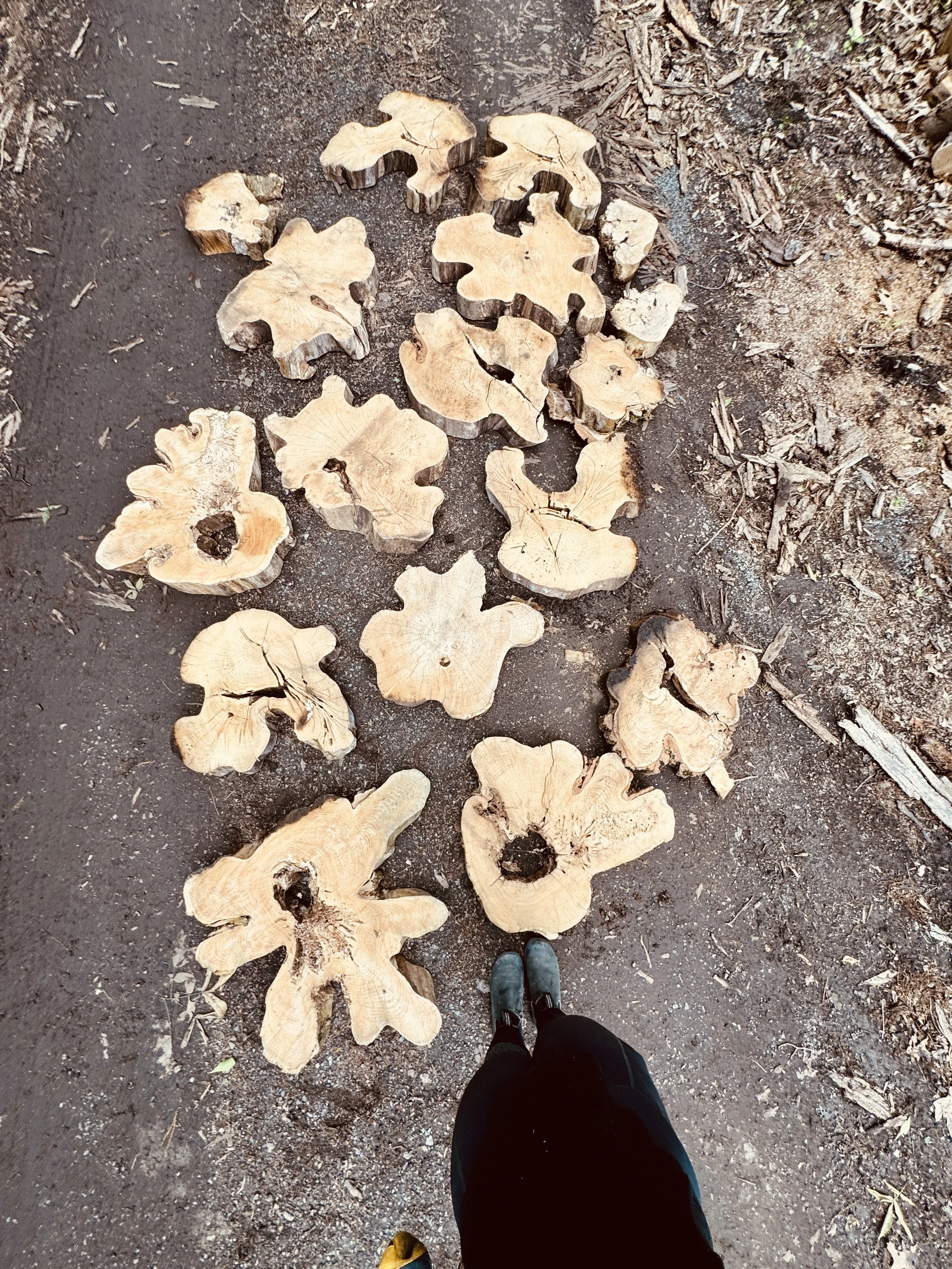
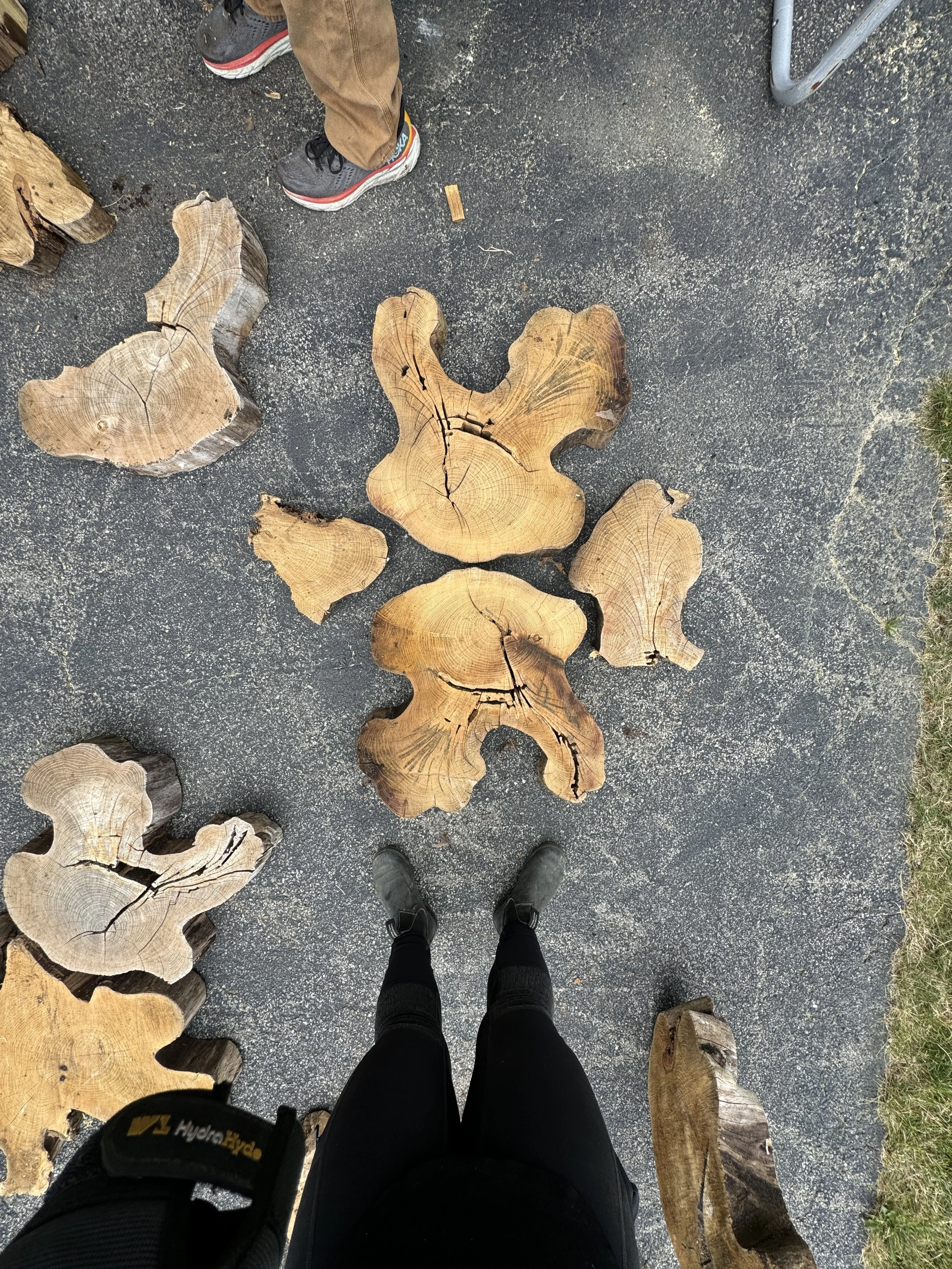
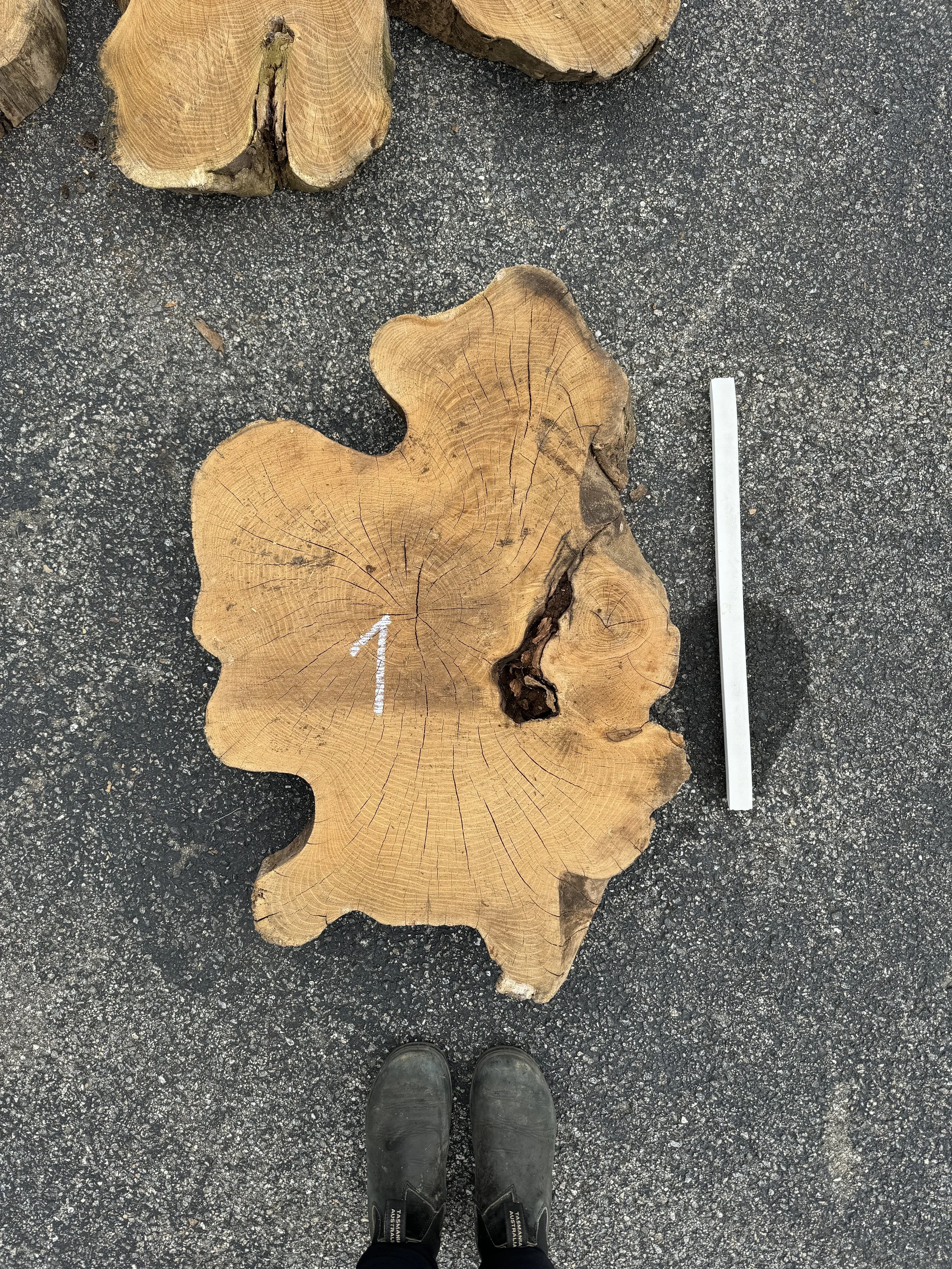
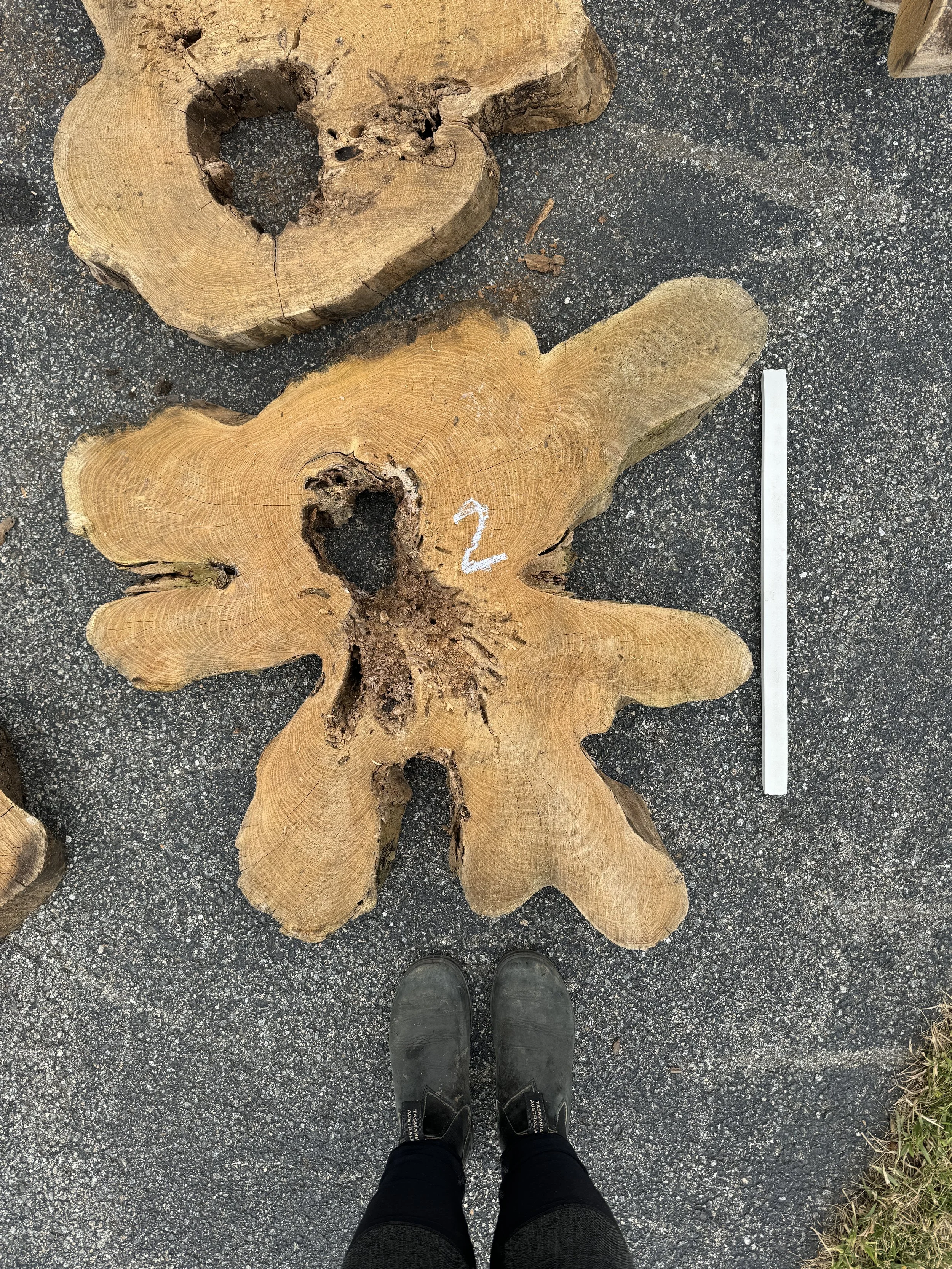
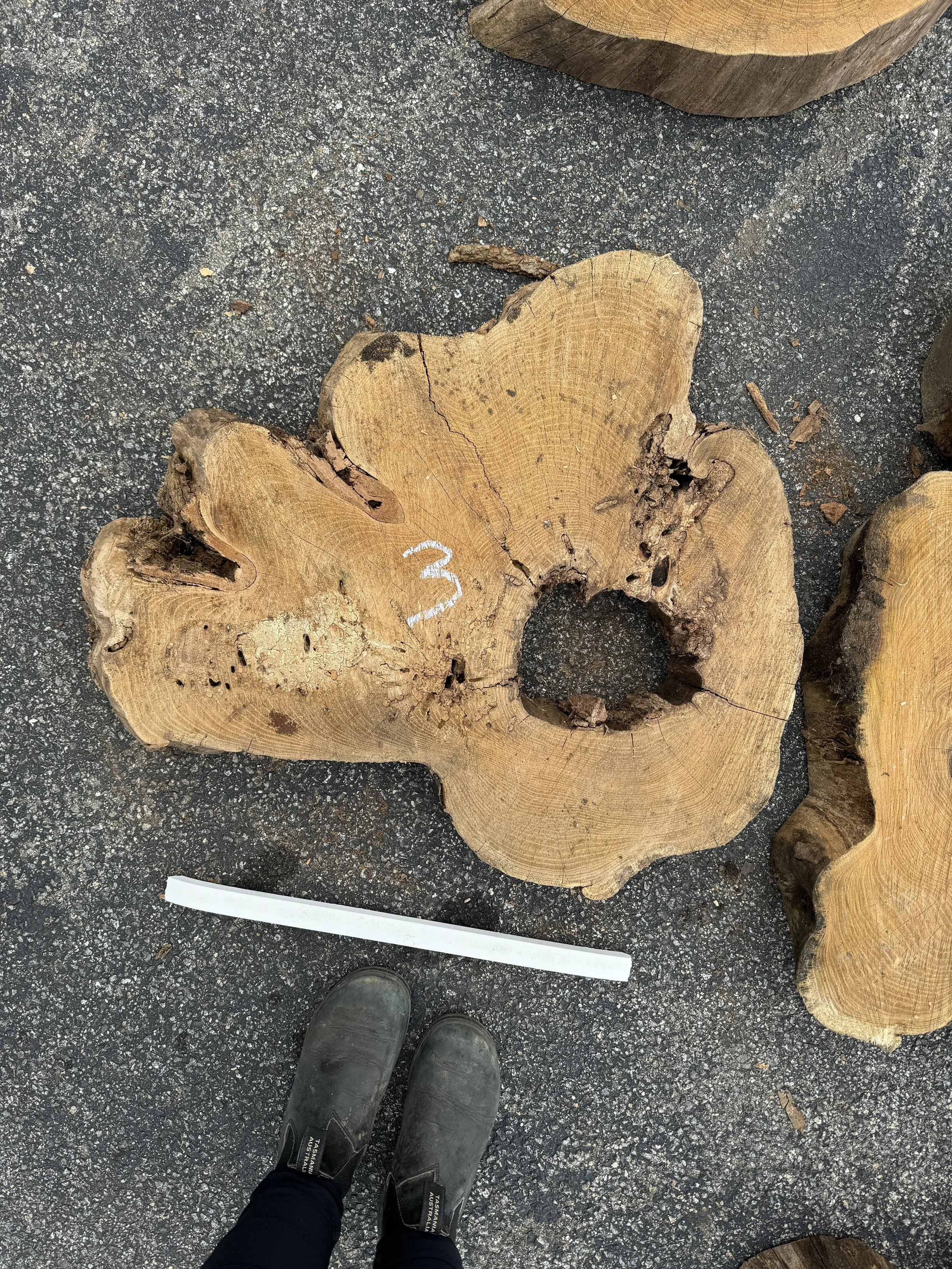
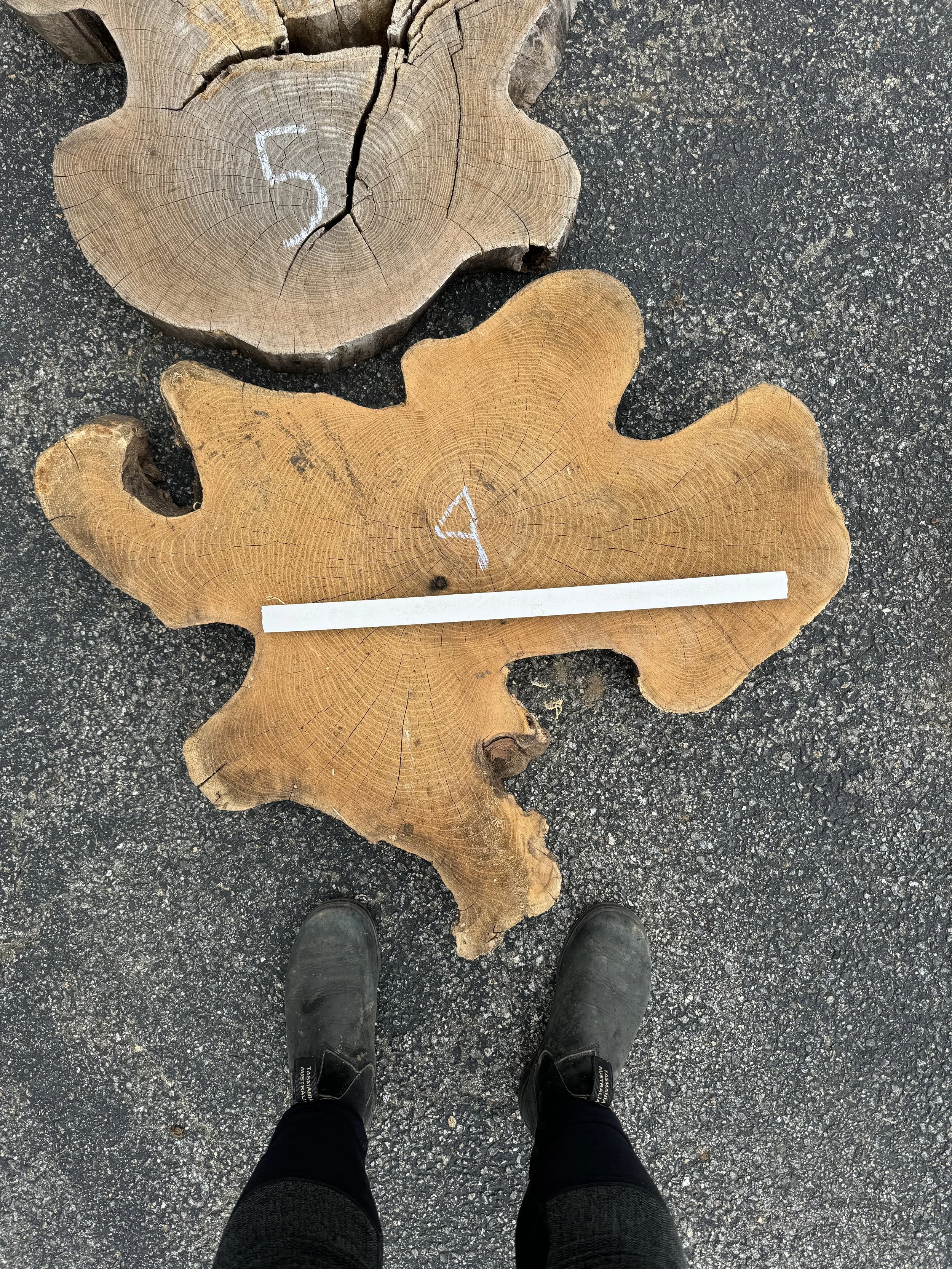
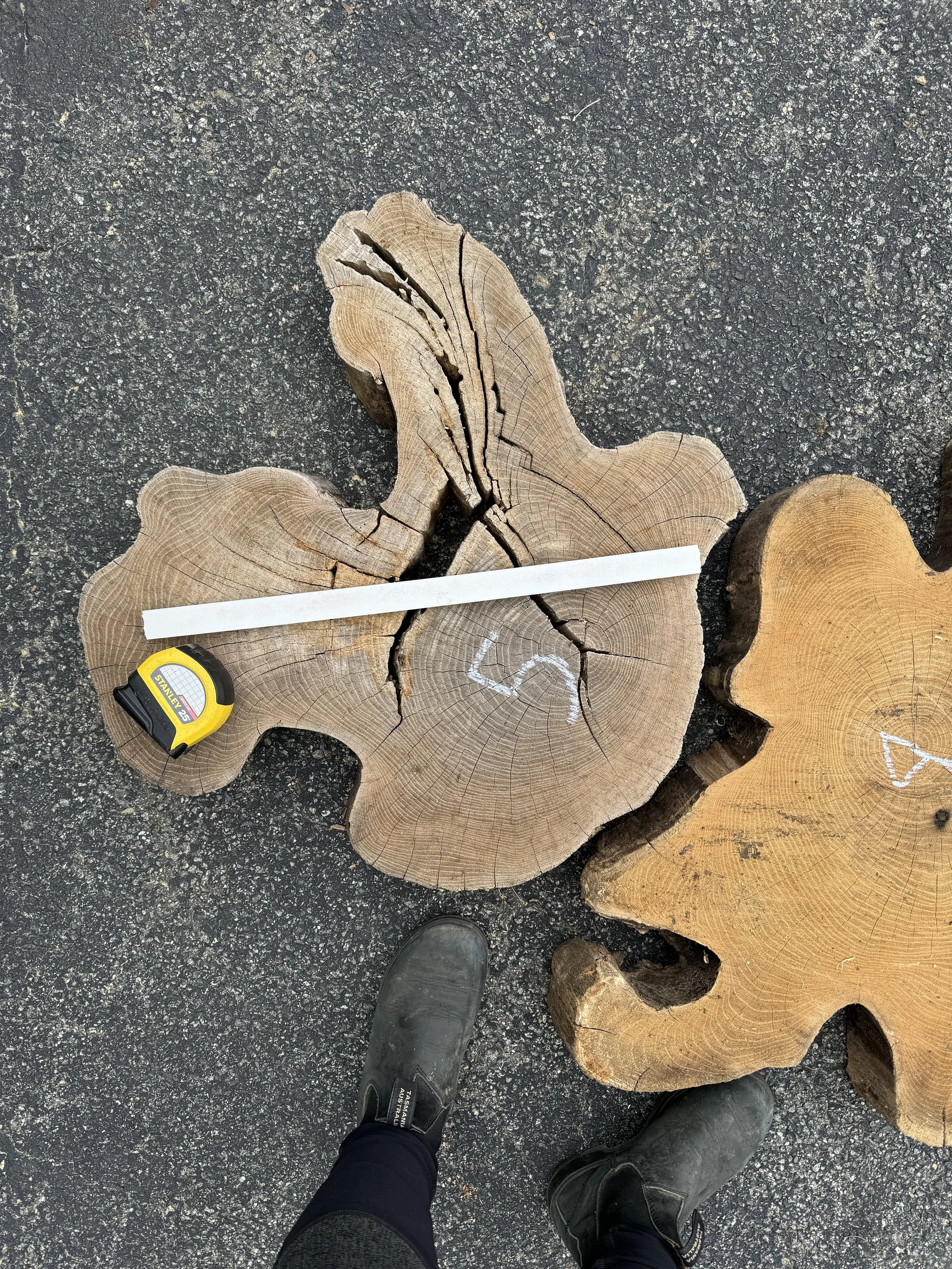
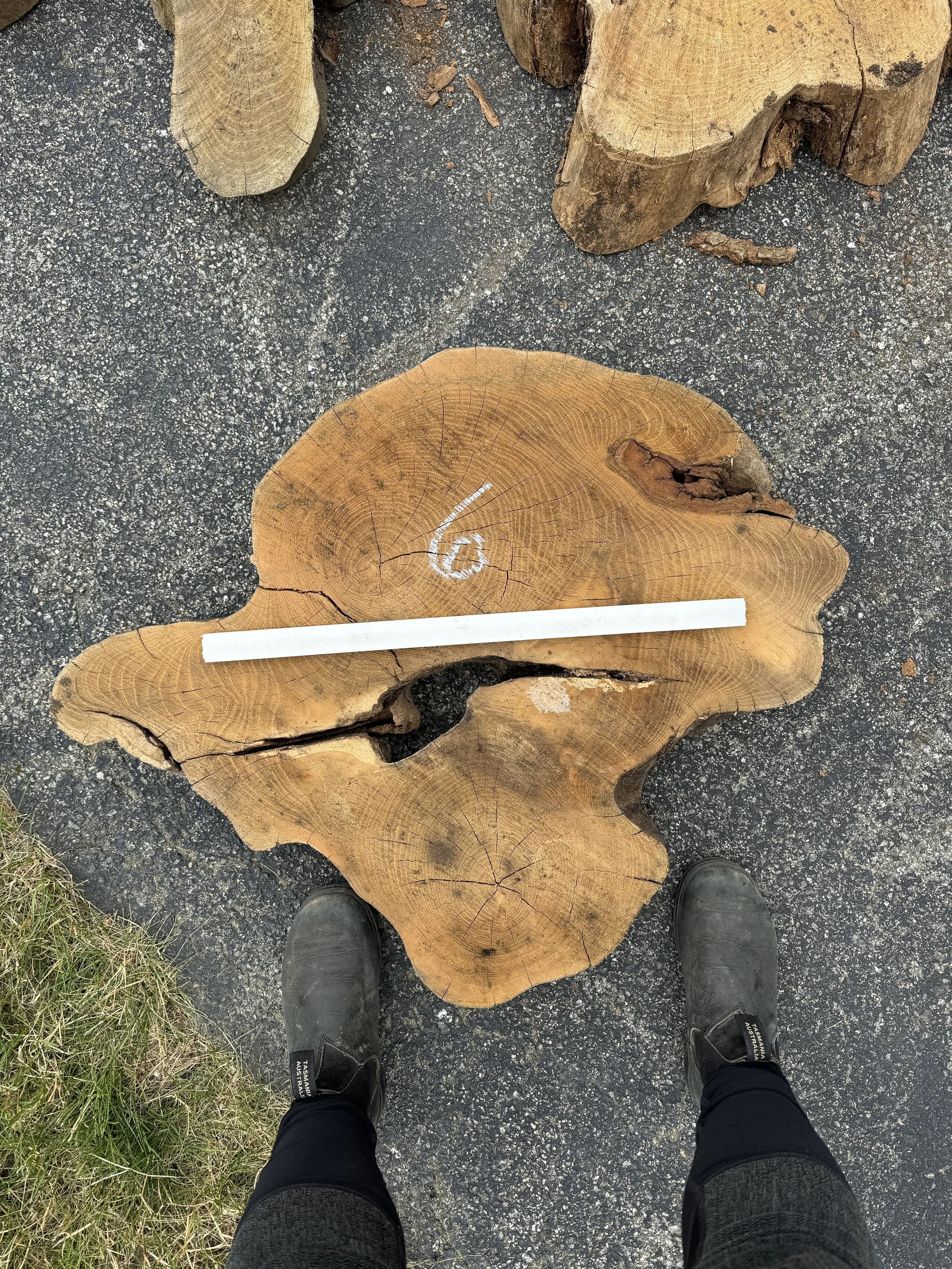
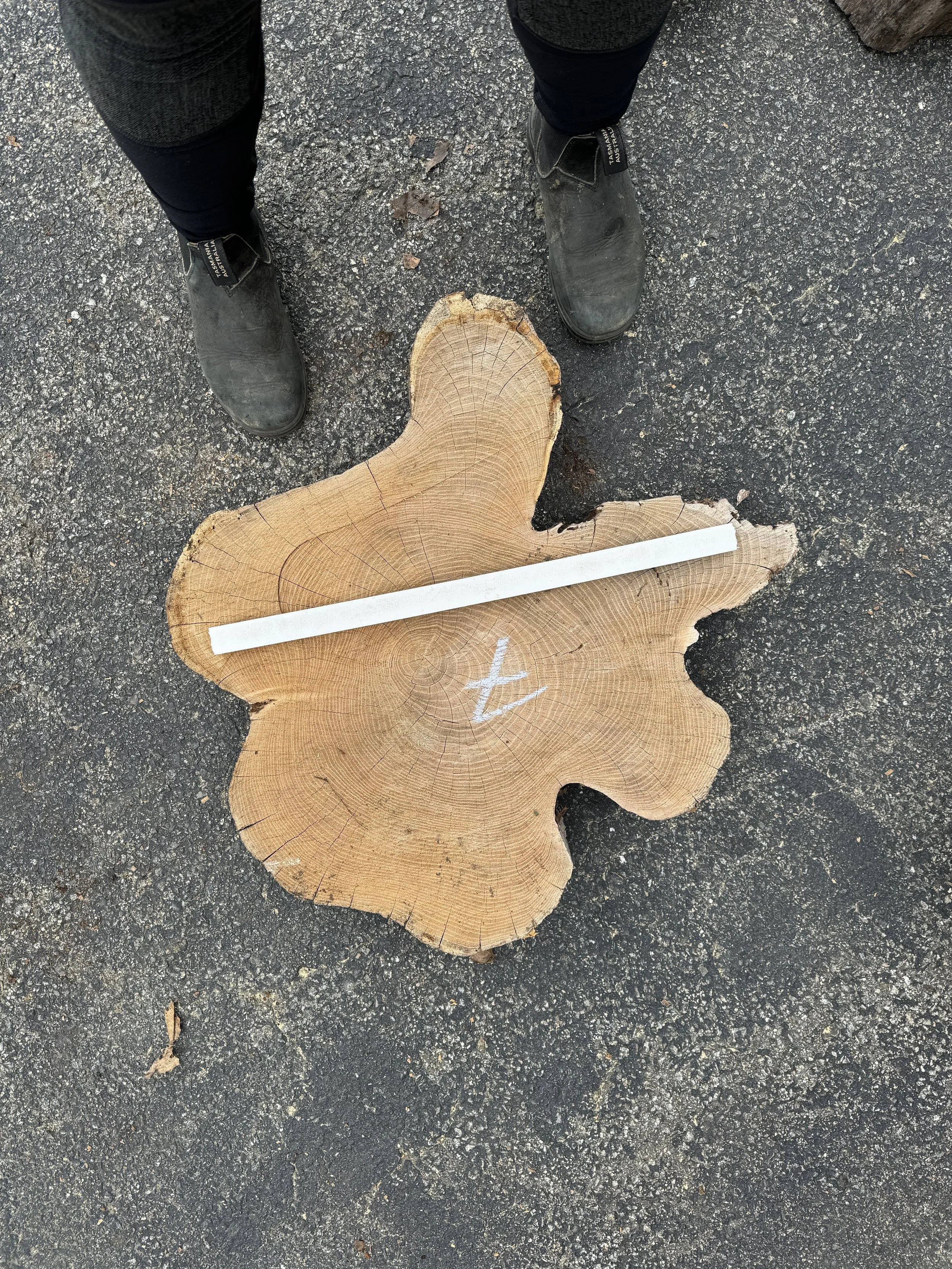
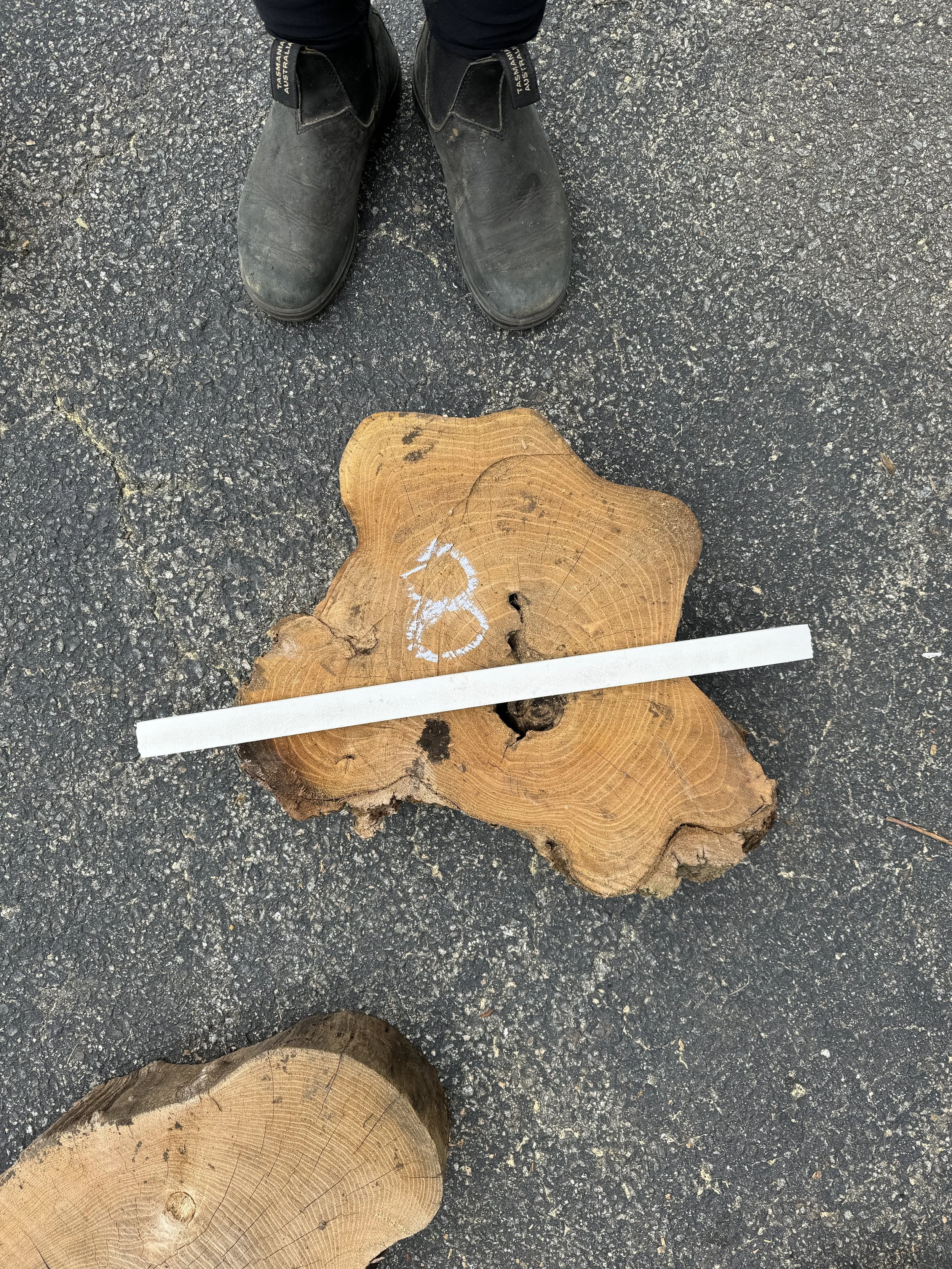
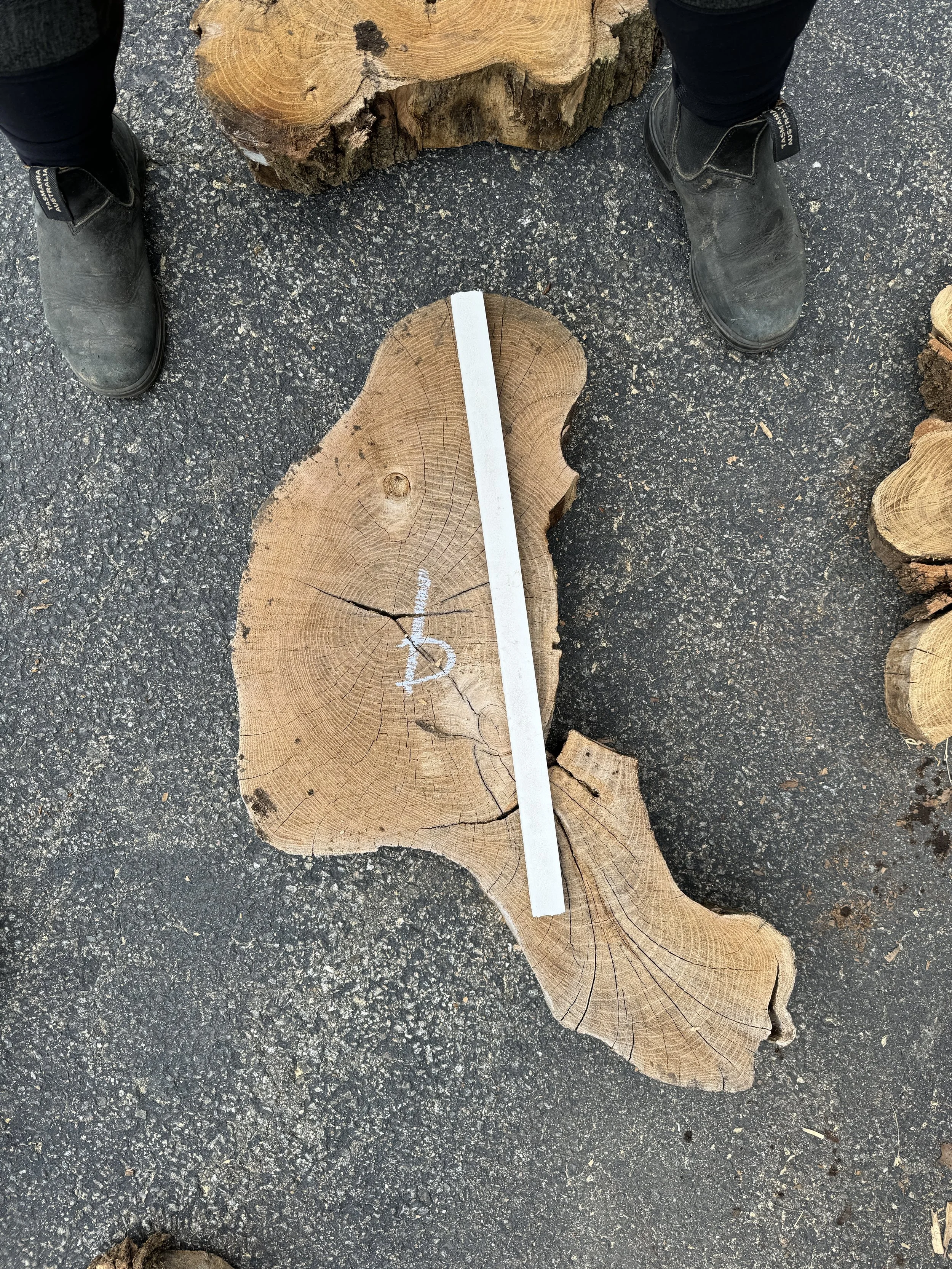
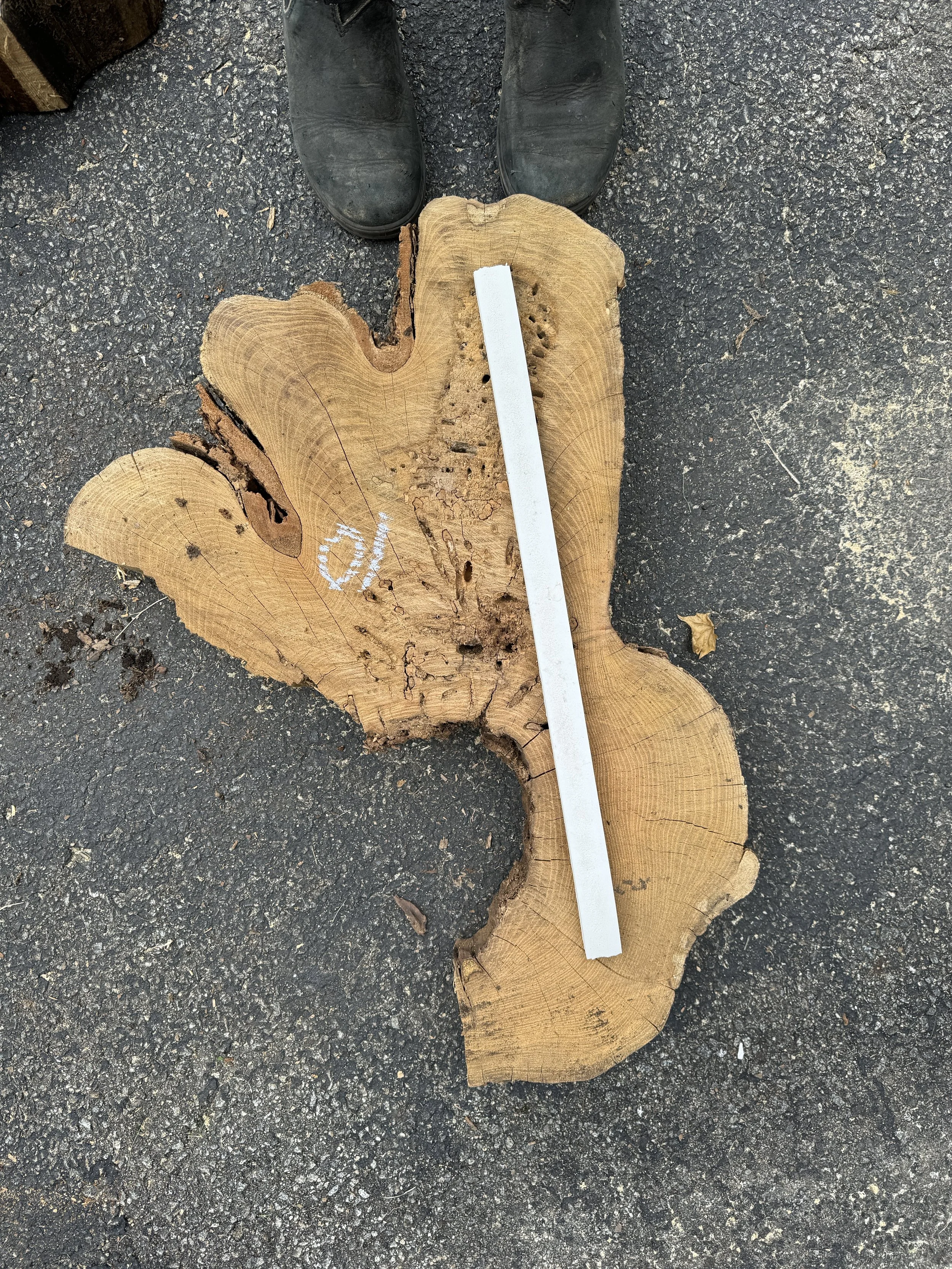
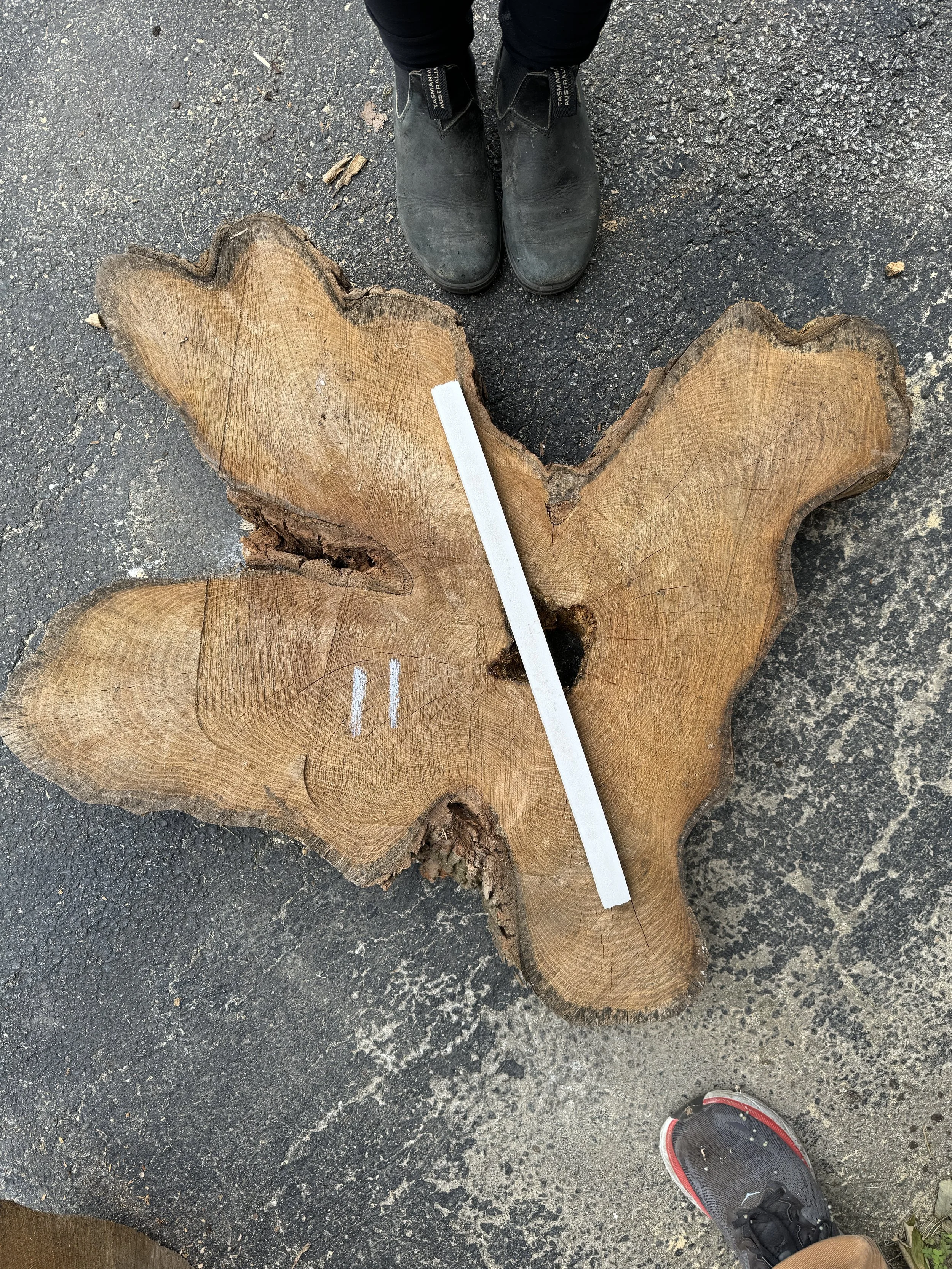
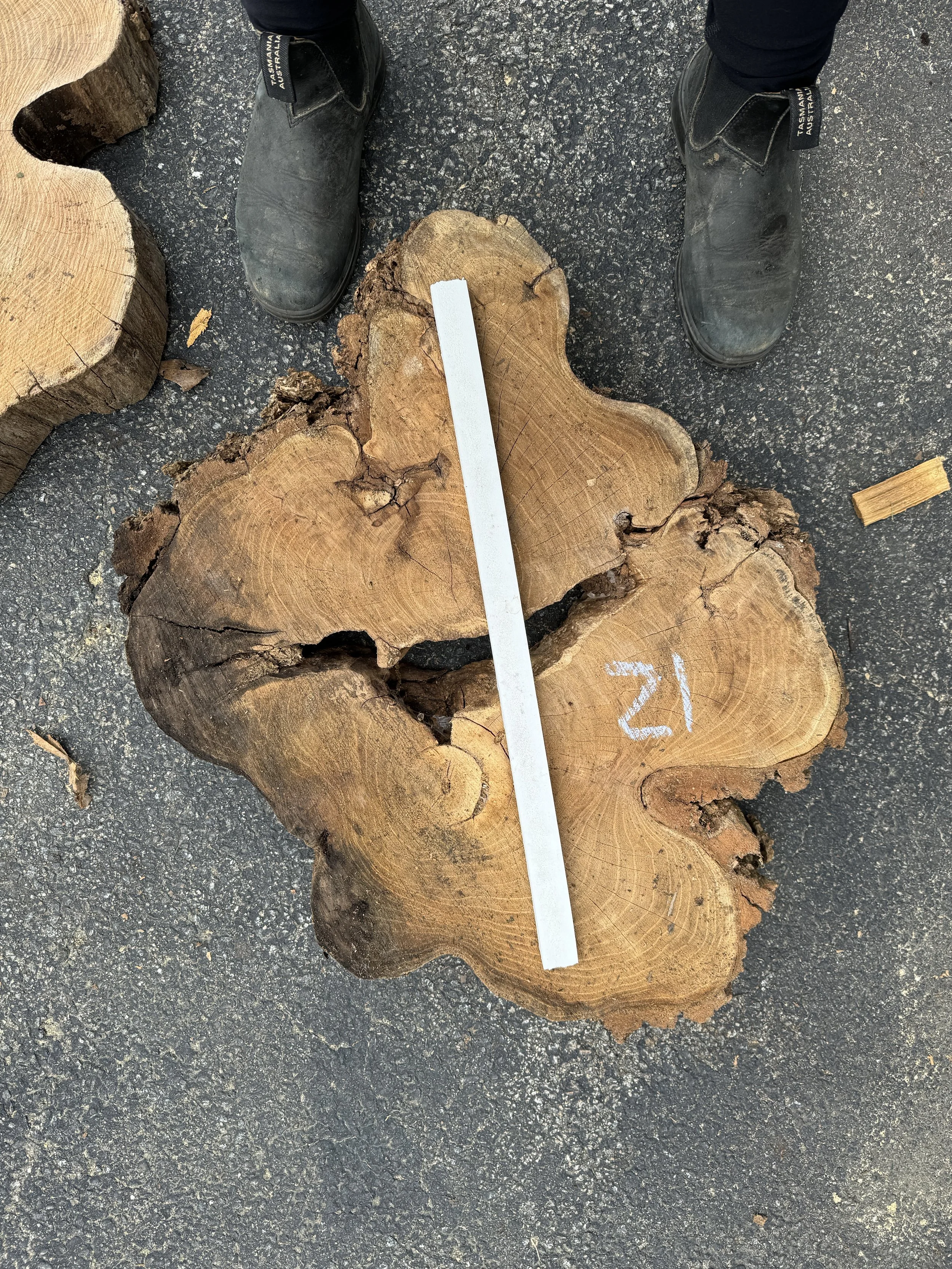
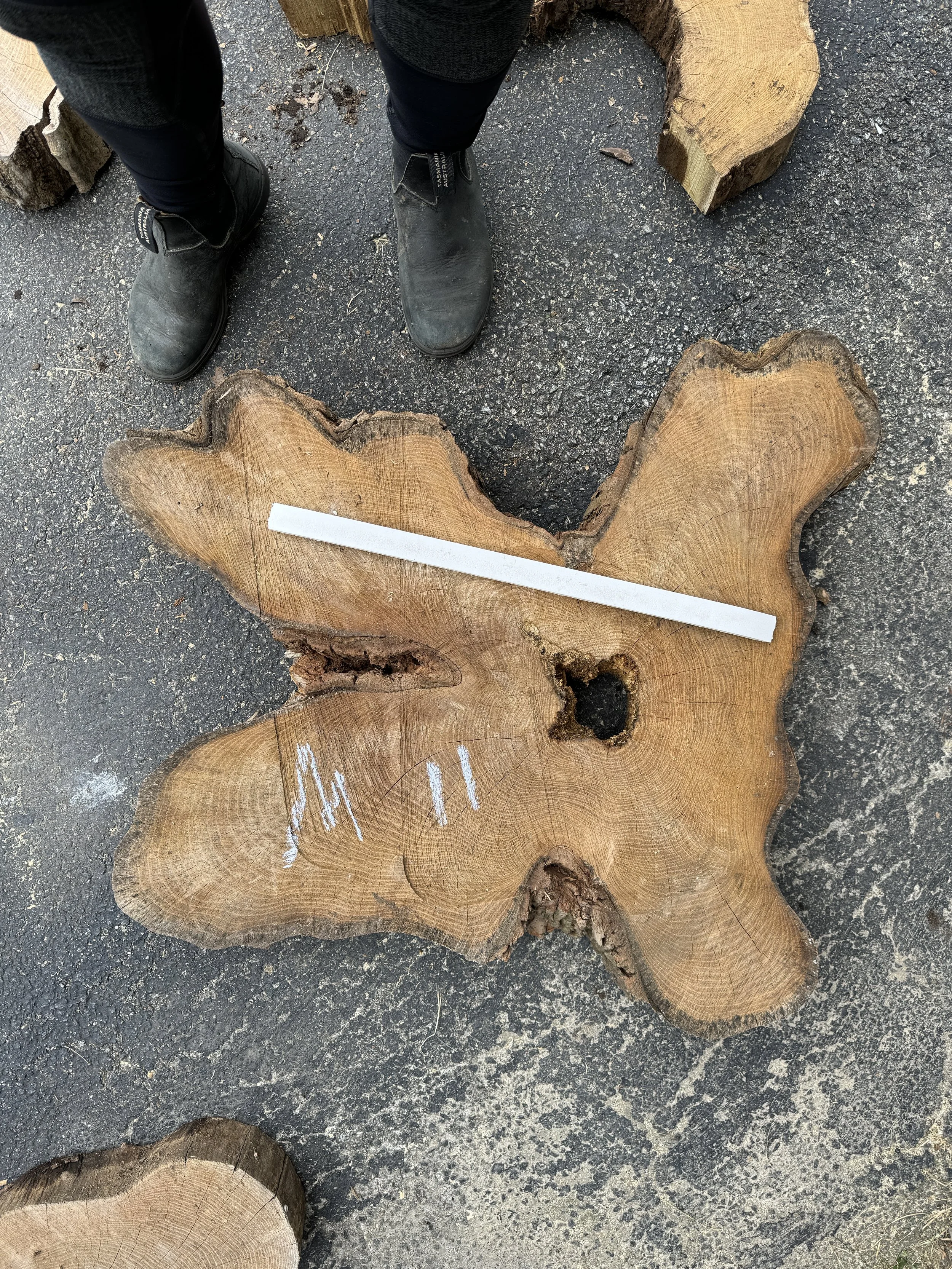
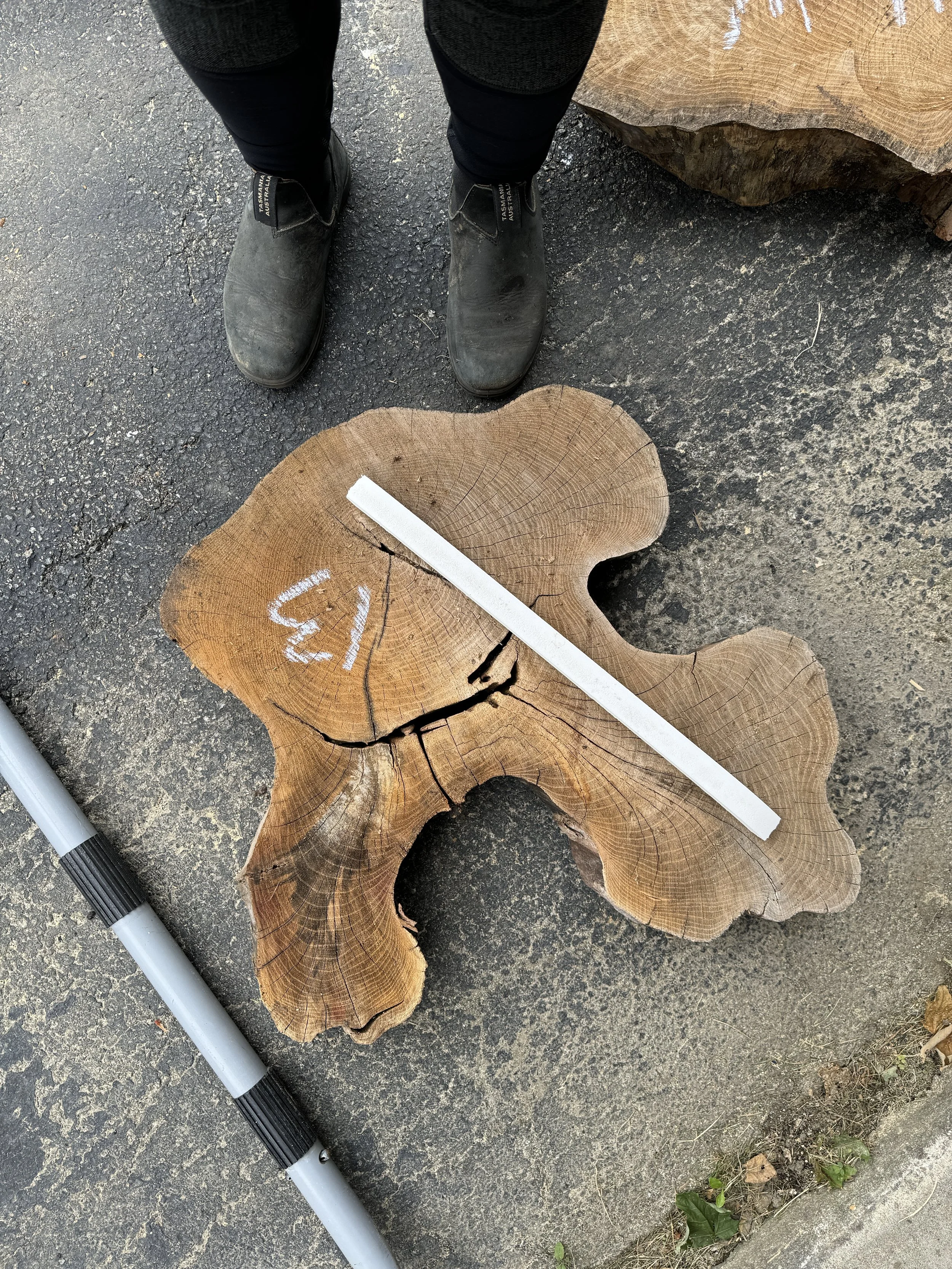
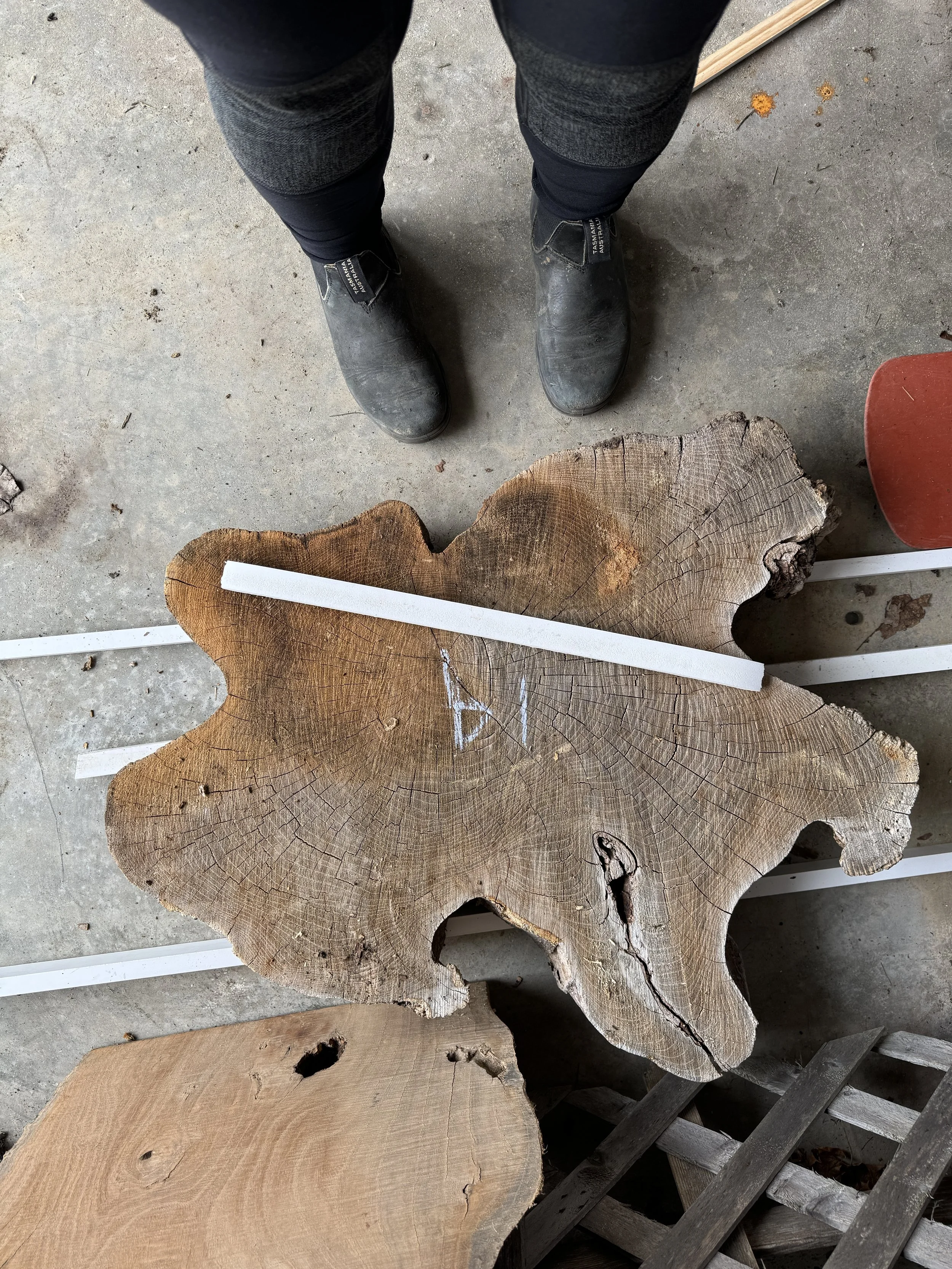
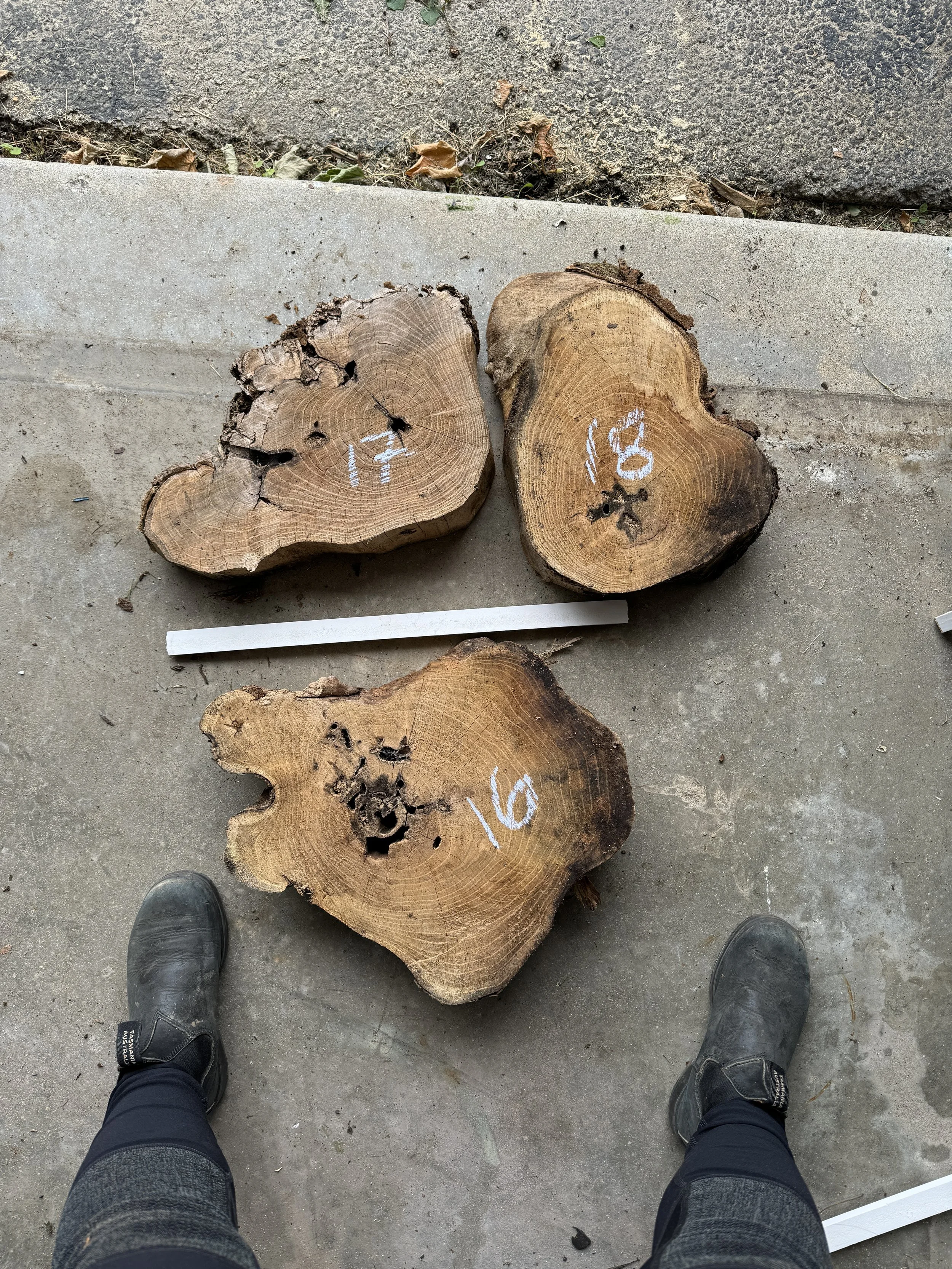
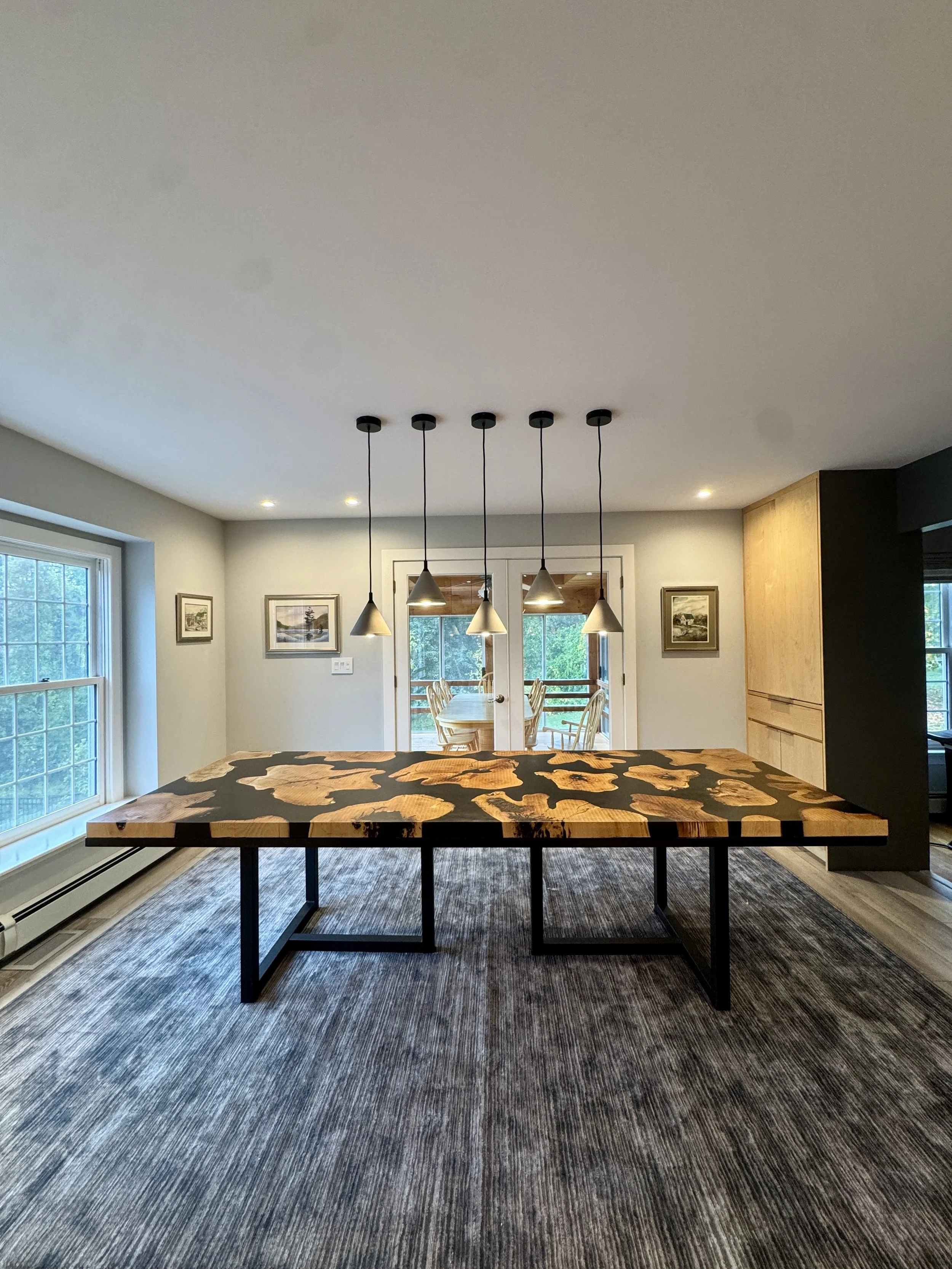
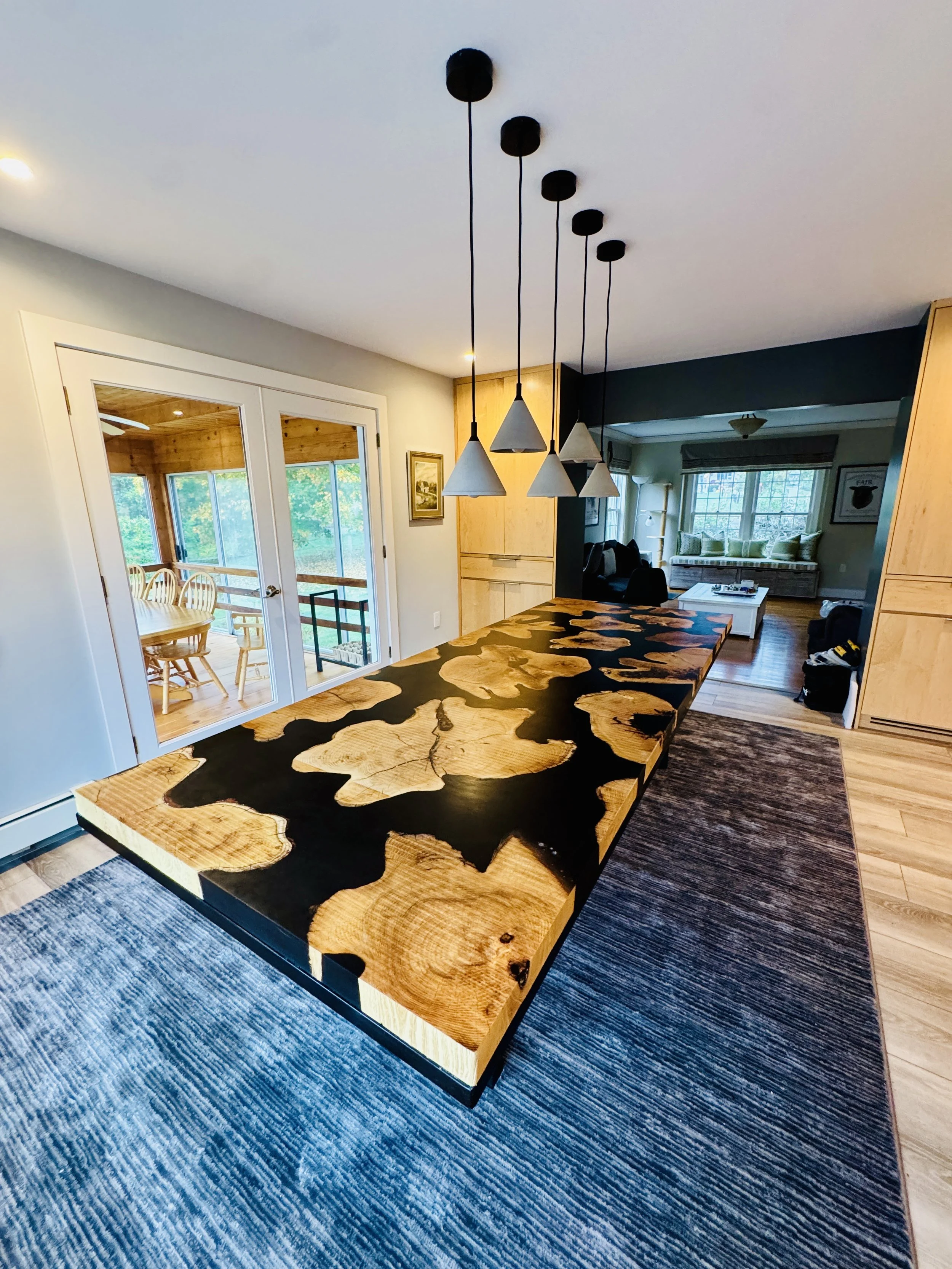
The Island Table began with raw black locust slabs - a dense, nearly indestructible hardwood prized for its rich grain and natural resistance to decay. Each piece carried the organic irregularities of growth: knots, voids, and the sinuous edges where bark once met air. Rather than impose uniformity, we embraced these natural absences as opportunities.
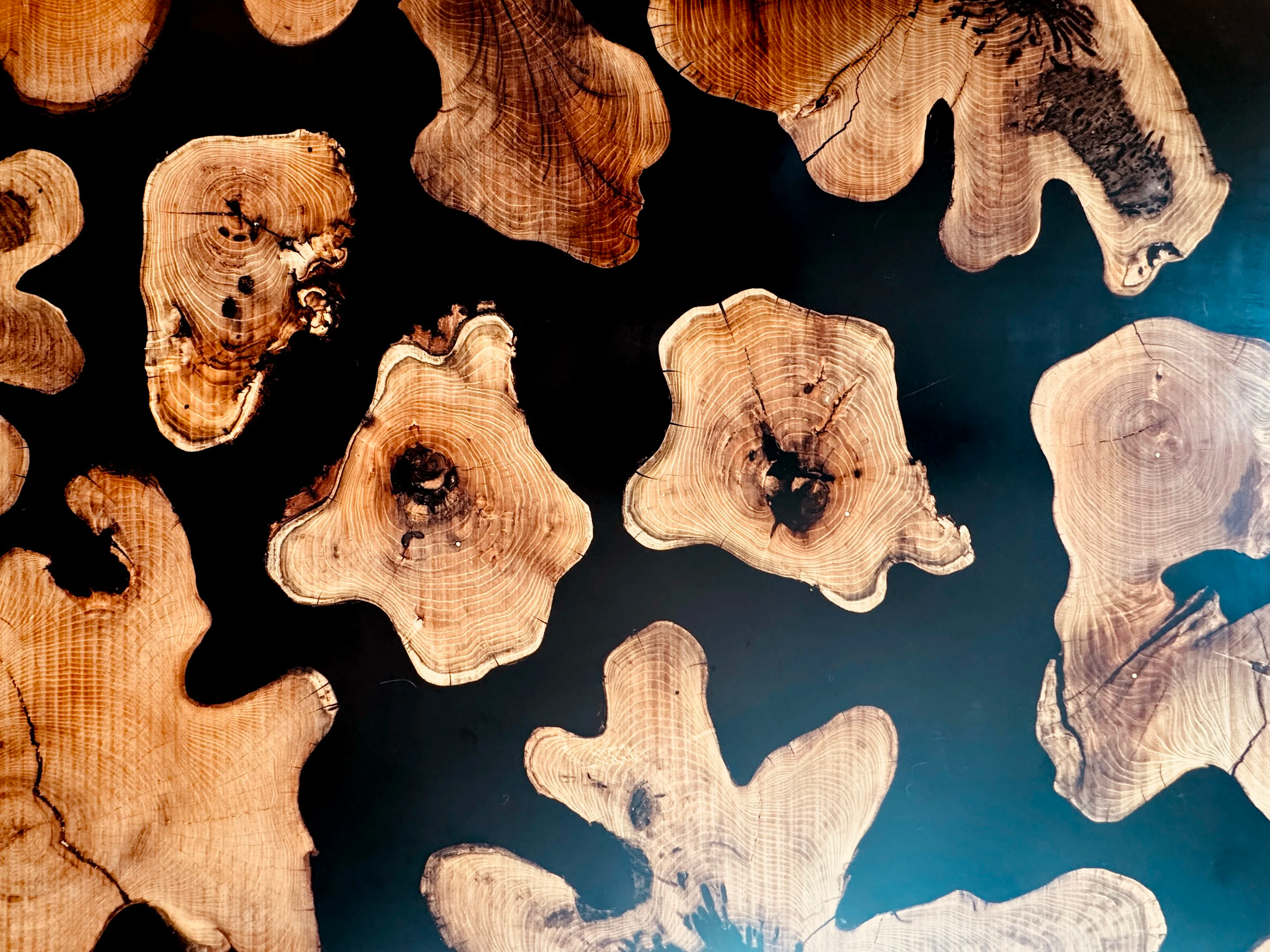
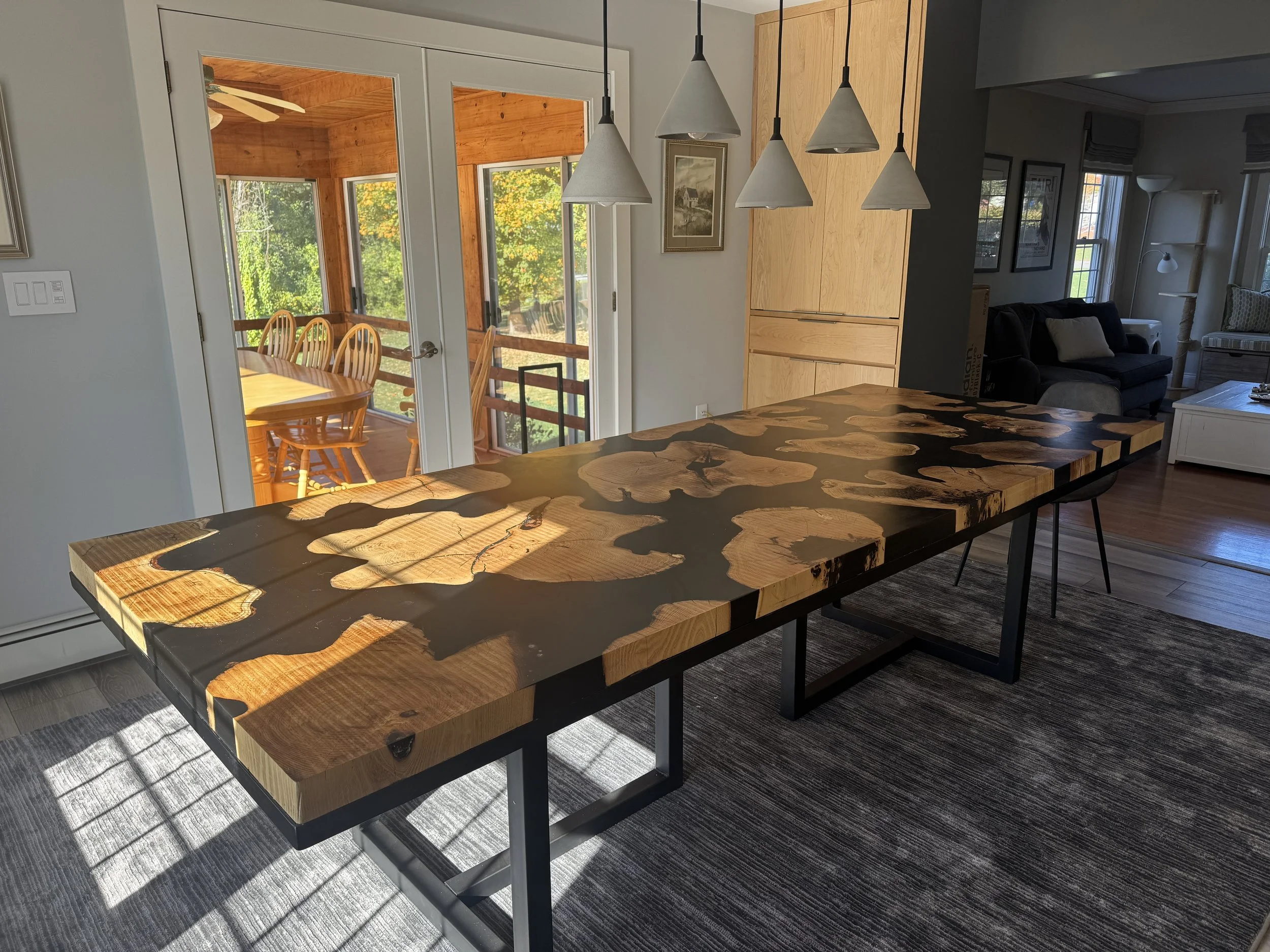
Working with deep black resin, we filled the negative spaces between wood sections, creating a composition that reads like an aerial view of an archipelago. The resin pools and flows around the locust islands, its glossy surface contrasting with the wood's warm, textured grain. Light catches differently on each material - absorbed into the wood's depth, reflected sharply off the resin - creating subtle shifts in appearance throughout the day.
The technical challenge was considerable: black locust's density makes it notoriously difficult to work, requiring sharp tools and patient hands. The resin pours demanded precision to achieve perfectly level surfaces that align seamlessly with the wood. Multiple pours built up the depth gradually, each layer curing before the next, until wood and resin met at a unified plane.
The result is a 10-foot gathering space where the drama of natural form meets meticulous craft. What began as separate pieces of timber, shaped by decades of growth, now functions as a singular object - proof that careful making can honor material while transforming it into something entirely new.
Project Type:
Custom Furniture Fabrication
Year Built:
2025
Location:
Merrimac, MA
Photography:
Erin Pellegrino
Built for Possibility
-
Nineteen individual black locust cookies, carefully selected from a northeastern mill (located 10 miles from the client’s home) for their dramatic grain patterns and natural voids. Black locust - one of North America's hardest and most durable hardwoods - grows slowly, developing the dense golden wood and distinctive figure that makes each piece unique.
-
Over 500 hours of hands-on fabrication: milling, planning, sanding, and finishing each wood section before the resin work even began. 120 liters of deep black resin, poured in careful layers to fill the organic spaces between wood pieces. The custom steel base - hand-finished with a matte black coating - provides both structural reinforcement and visual grounding for the 600+ pound tabletop.
-
At over nine feet long, this table commands its space while inviting gathering. Designed as the heart of a family home, it seats up to ten comfortably - room for three children to grow, for extended family to visit, for meals that stretch long into the evening.
-
The client, whose father was an architect, wanted a piece built to outlast trends and time. Black locust's legendary durability - the same quality that makes it prized for outdoor structures and boat building - ensures this table will serve his family for decades, then his children's families after that. Built not for a season, but for generations.
Settling In
At over 600 pounds, this table doesn't simply arrive - it's positioned, maneuvered, and settled into place with precision and respect for its weight.