
Alpine Shelter Skuta
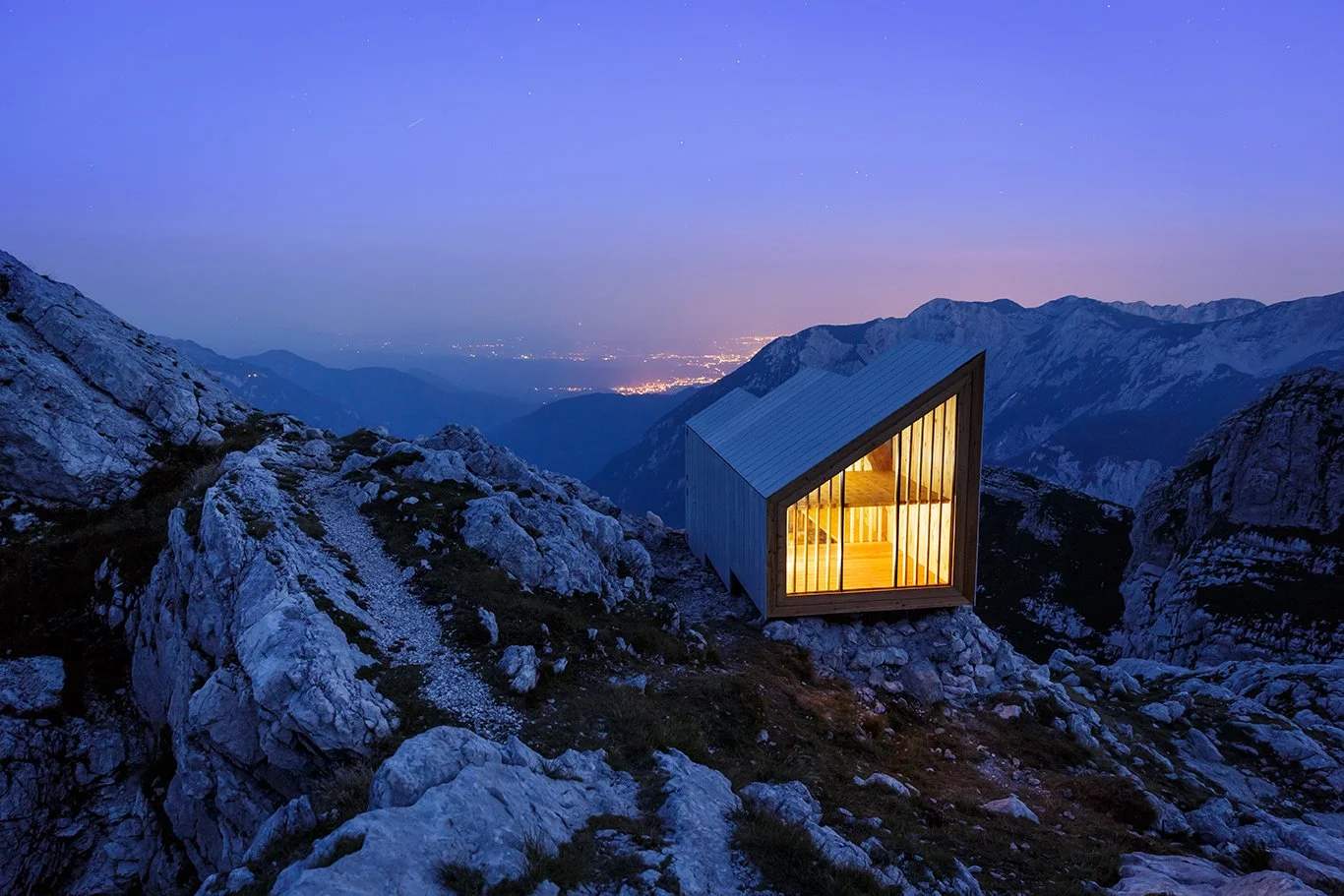
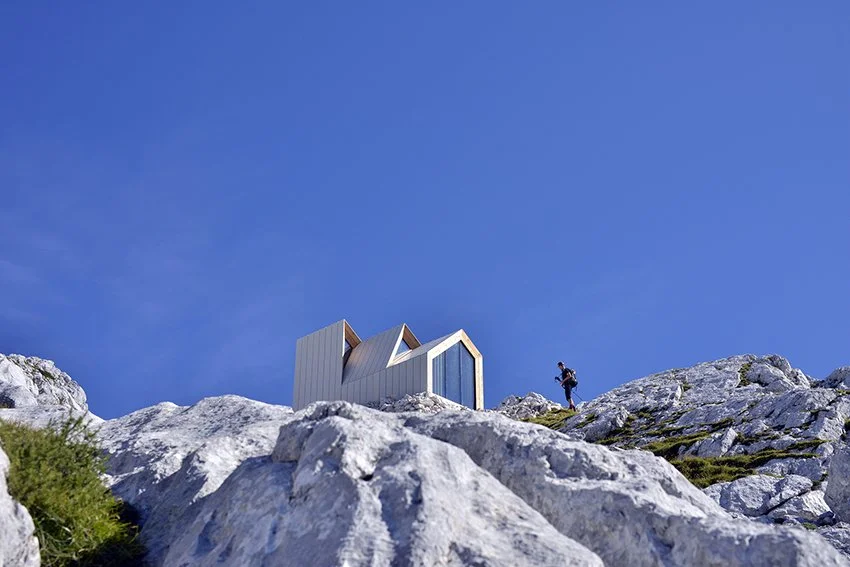
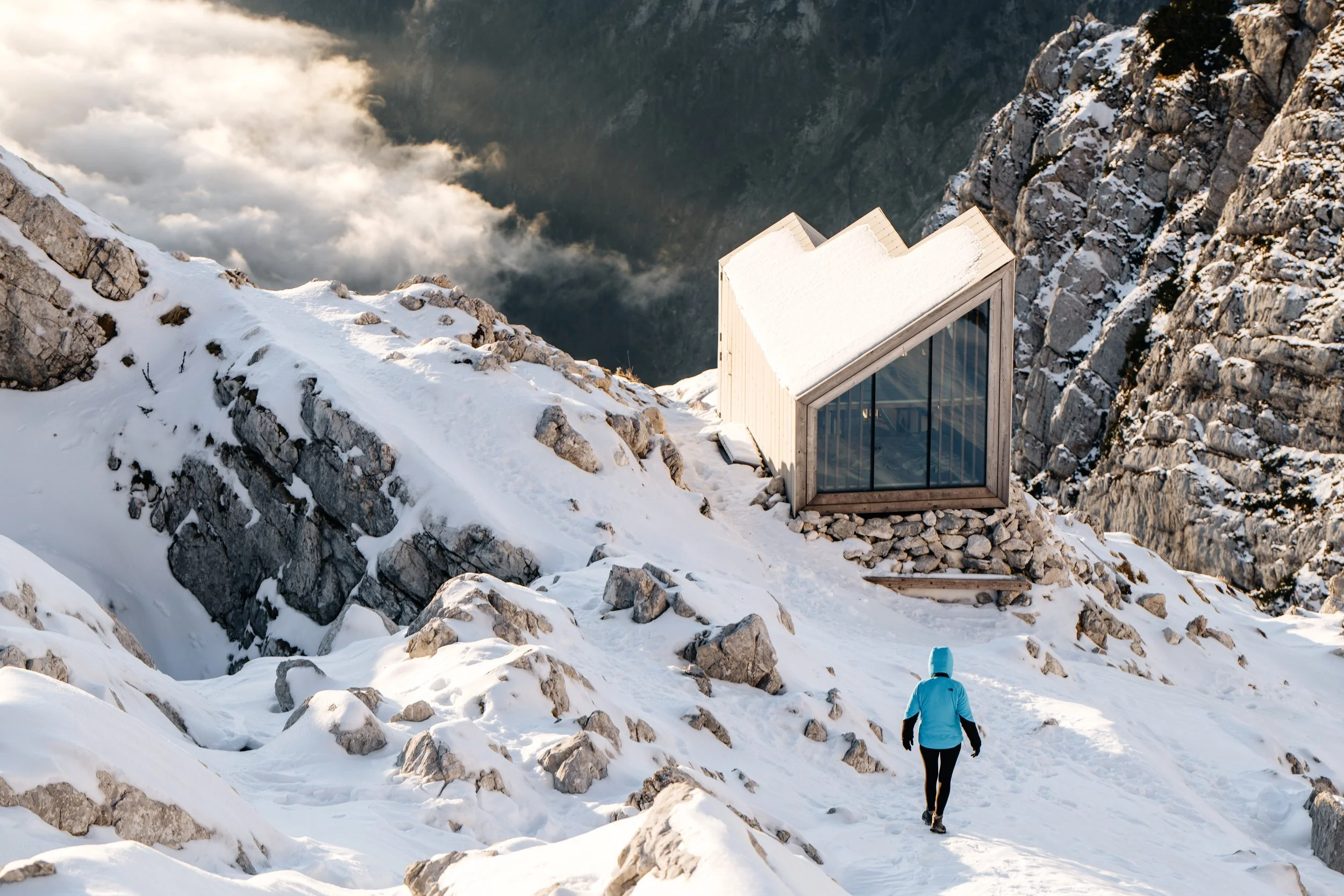
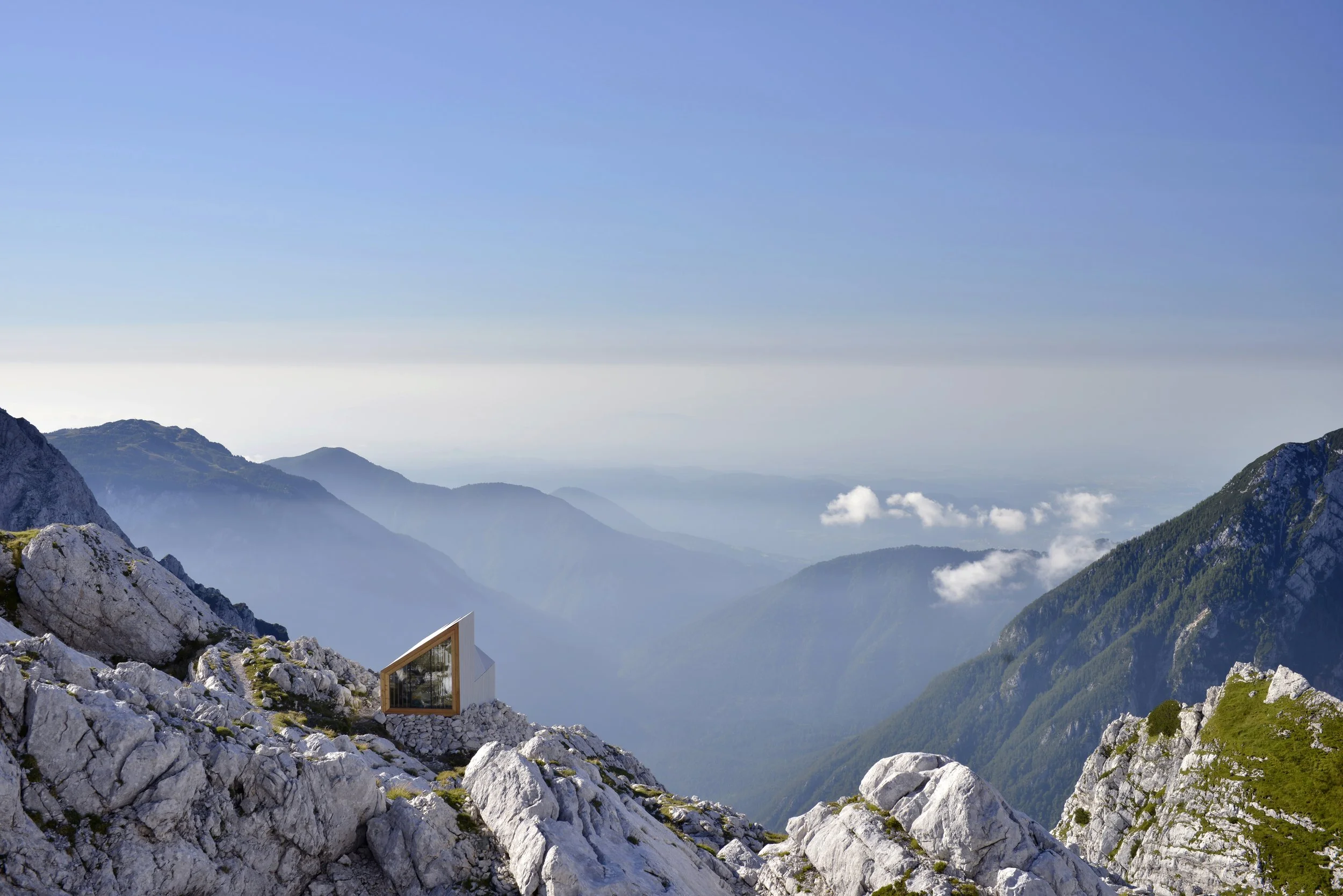
A refuge at 2,060 meters, perched below Mountain Skuta in Slovenia's Kamnik Alps. The brief was elemental: create shelter for eight mountaineers in conditions that test both materials and resolve. Wind, snow, radical temperature shifts, terrain that offers no forgiveness. Architecture reduced to its most fundamental purpose - protection from forces that could kill.
The project began in a design studio at Harvard's GSD, led by Rok Oman and Spela Videcnik of OFIS Architects. Thirteen students explored alpine shelter typologies, drawing from Slovenia's vernacular mountain architecture while addressing contemporary performance requirements. Our proposal - developed alongside Frederick Kim and Katie MacDonald - was selected for realization. OFIS and structural engineers AKT II then refined the design, adapting it to the precise site conditions and requirements of the Slovenian mountaineering community.
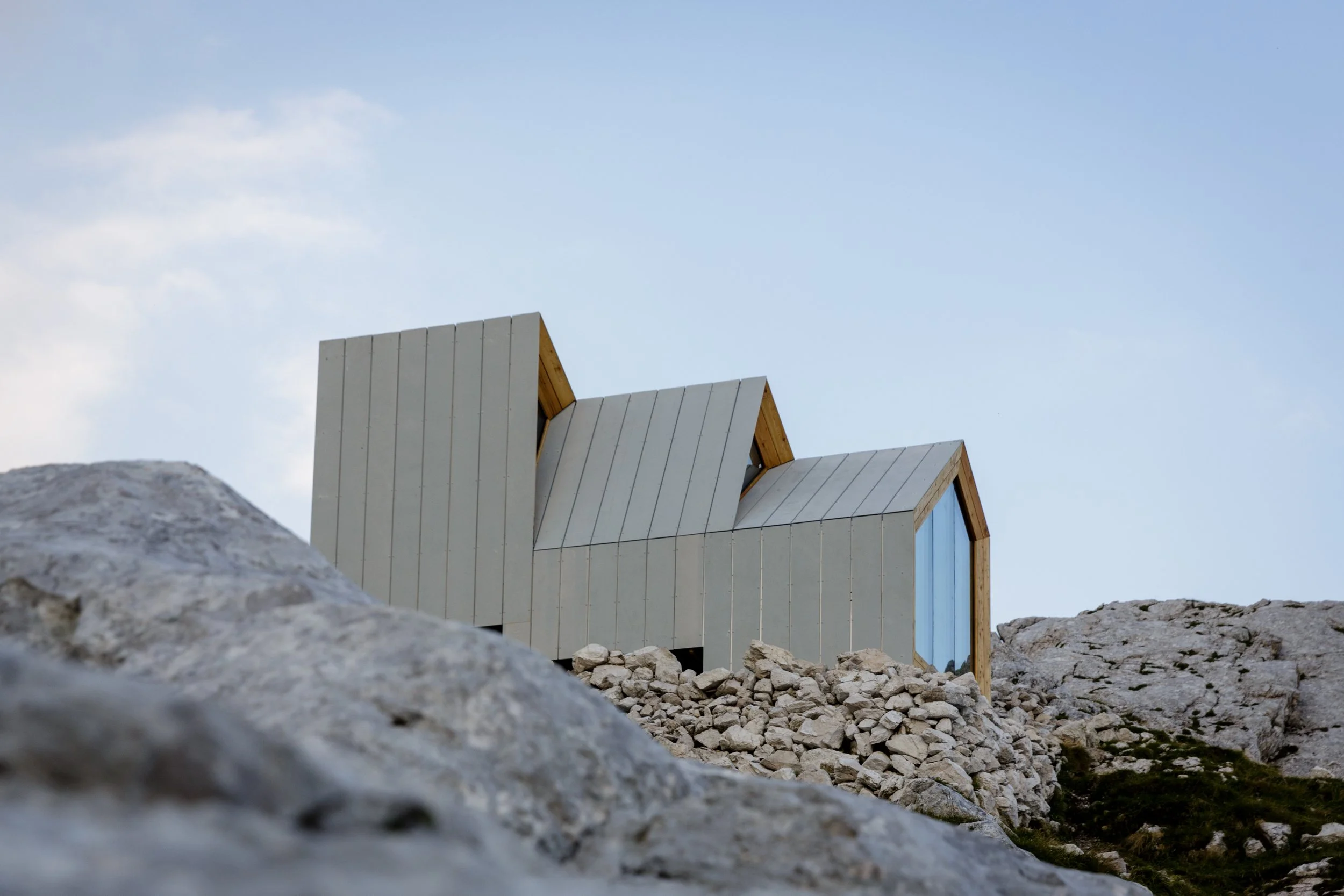
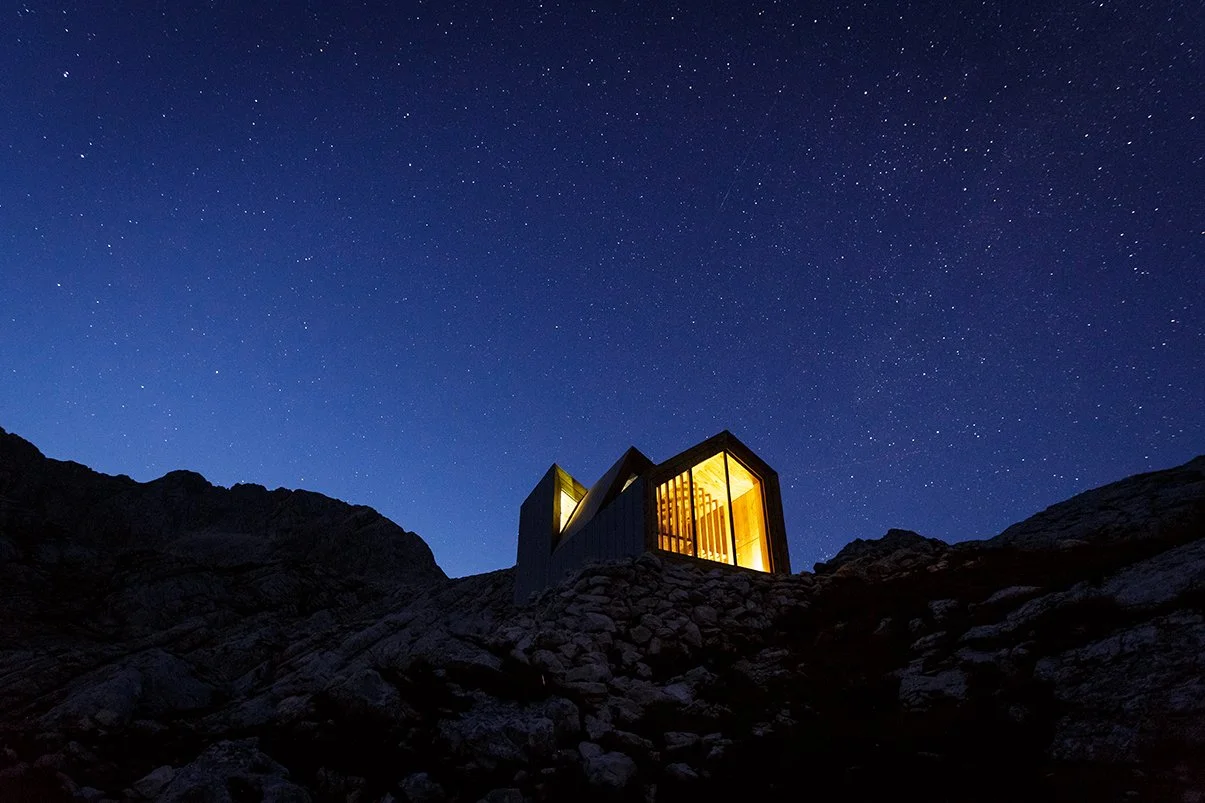
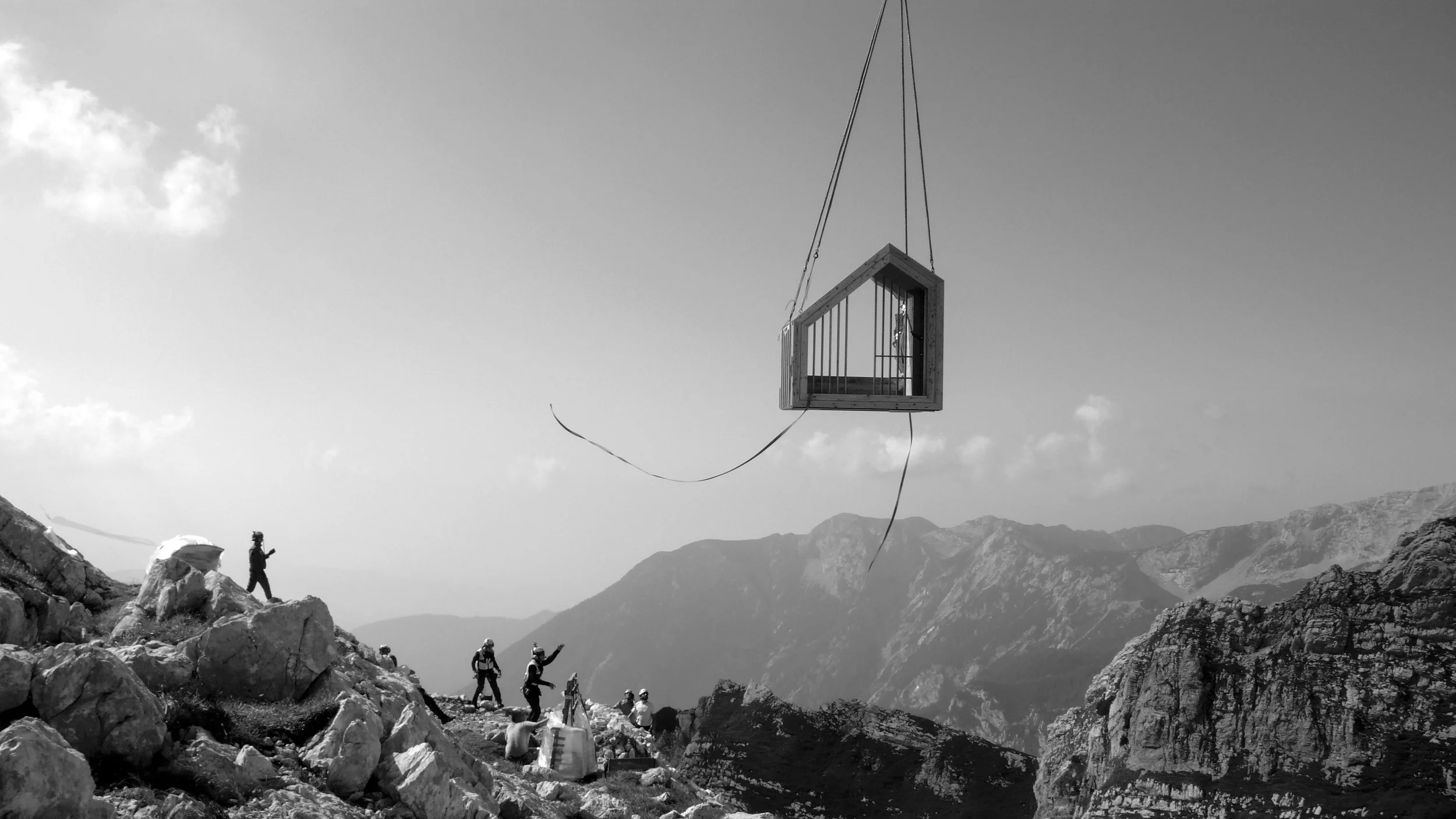
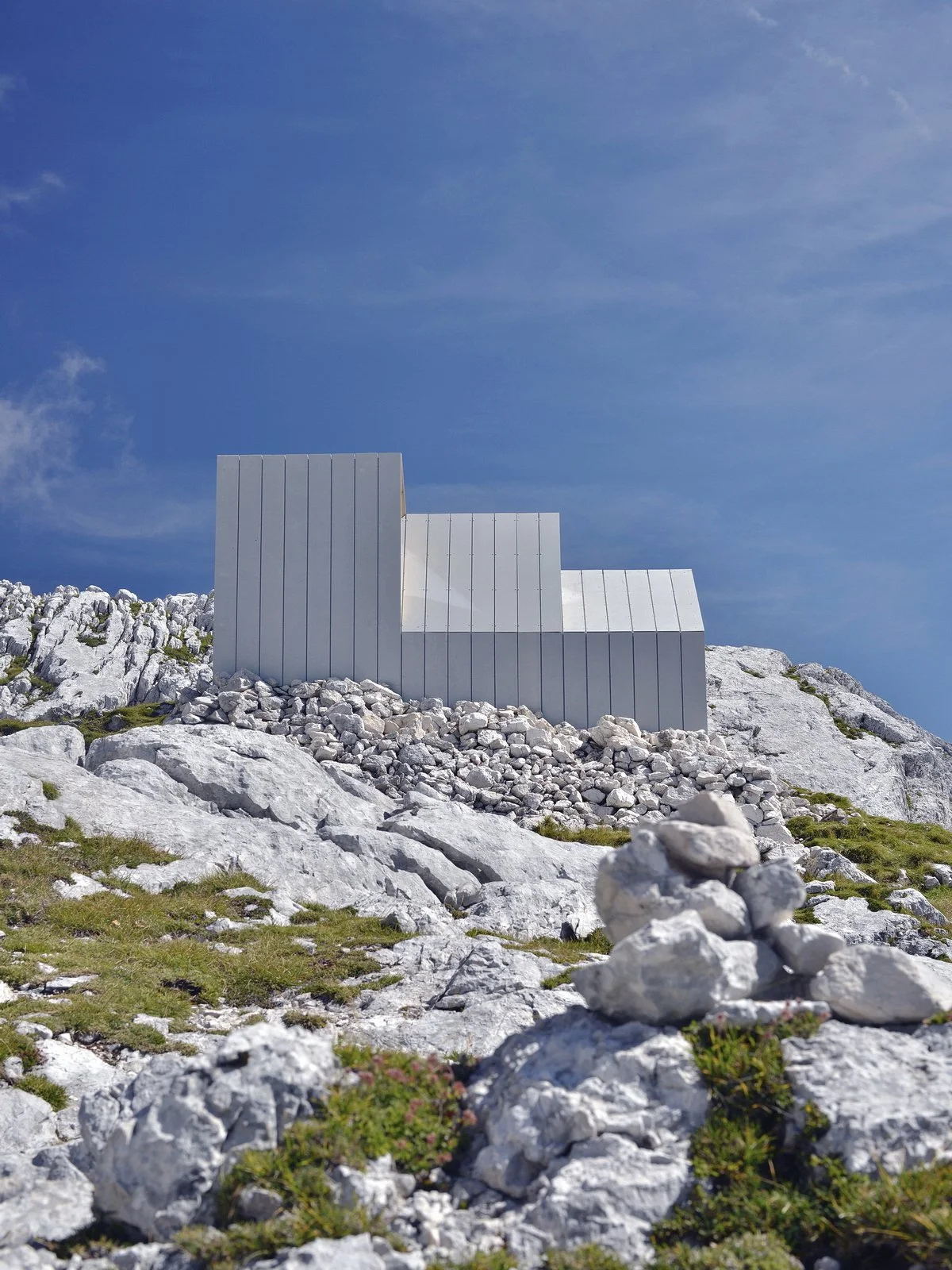
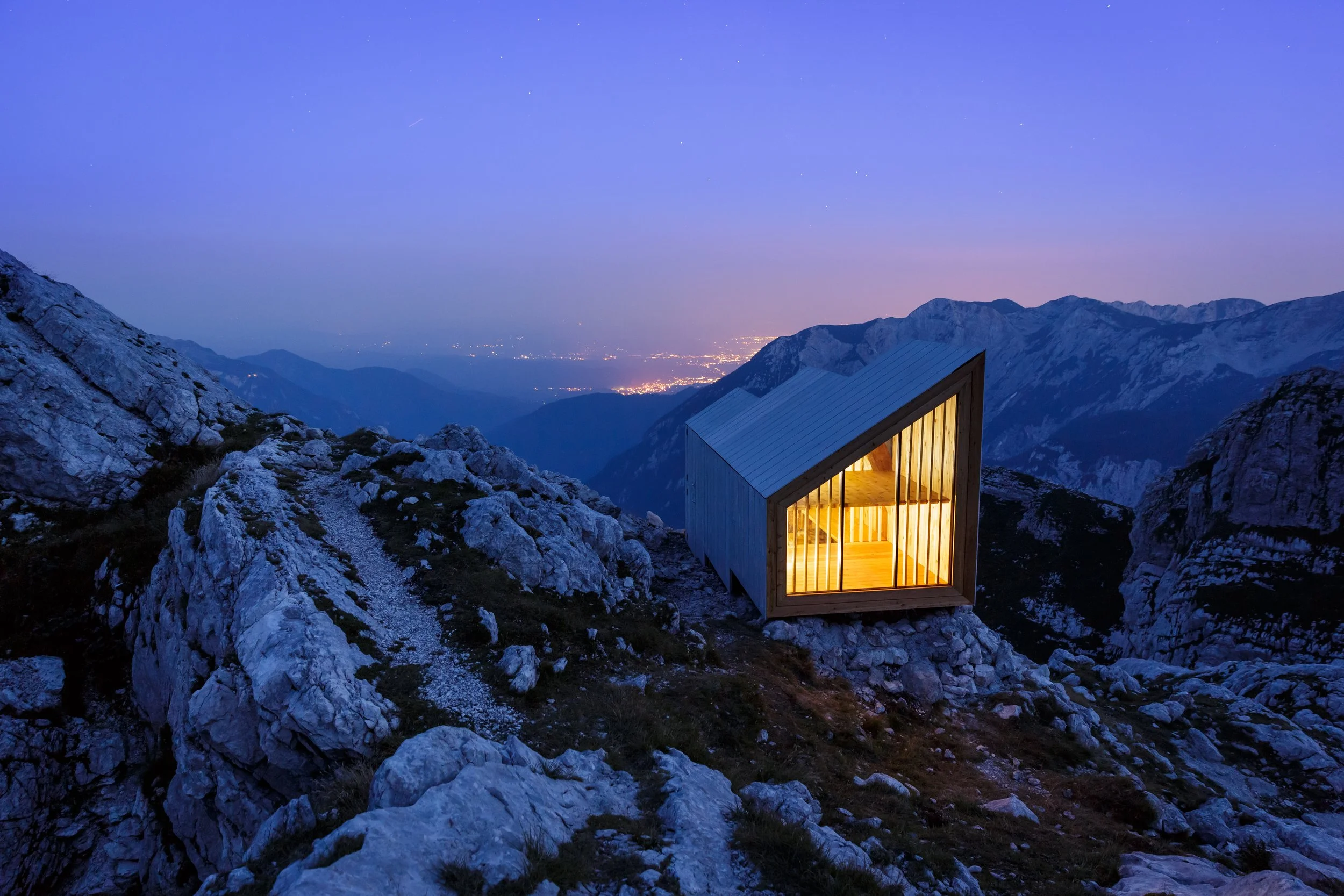
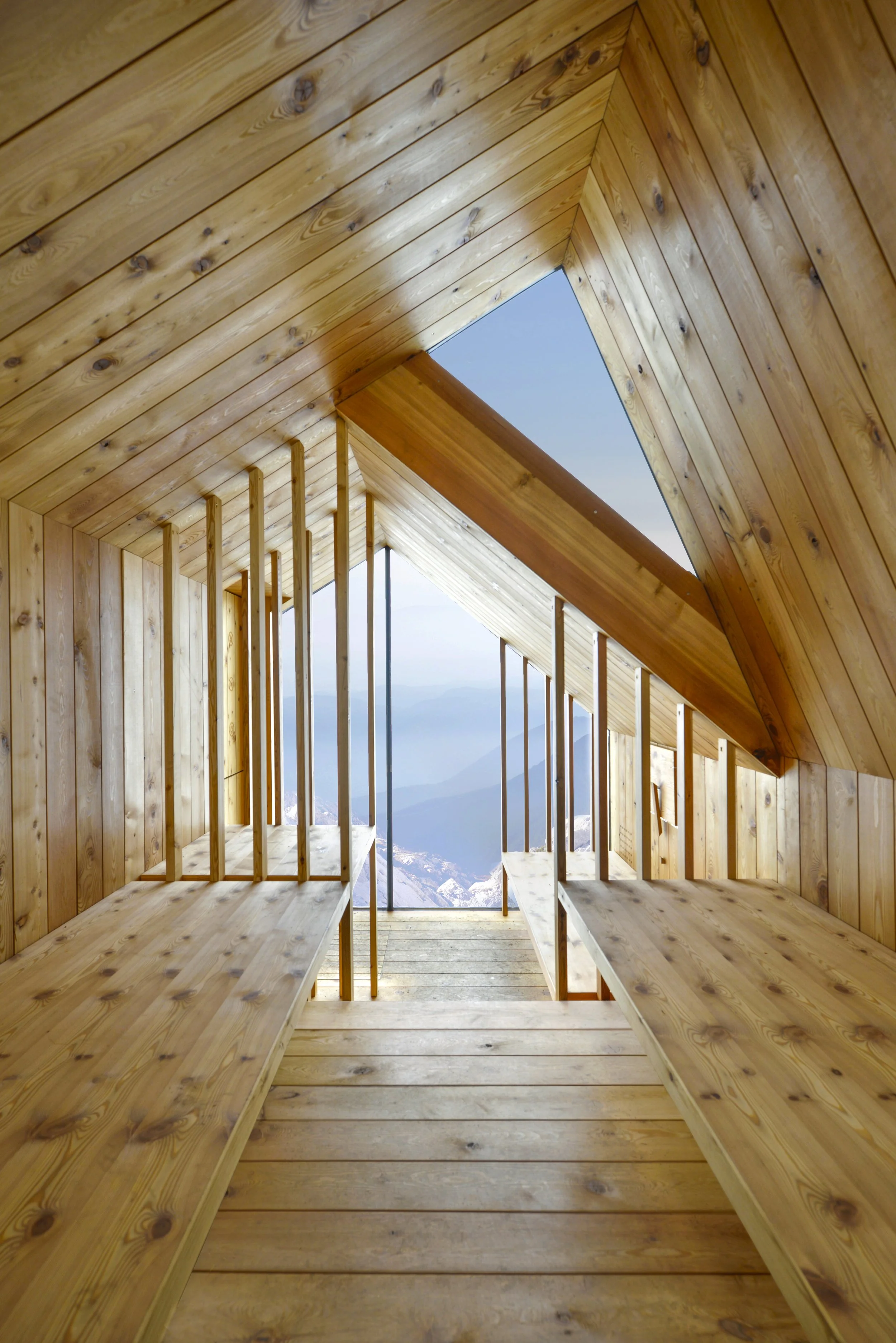
The shelter divides into three modules: entry and food preparation, social space with sleeping, and dedicated bunks. This tripartite division served both practical and poetic purposes - modules small enough to helicopter to site, programmatic separation that gives the compact interior spatial rhythm. The exterior shell uses Rieder's öko skin concrete panels - thin, glass fiber-reinforced elements that withstand extreme weather while minimizing weight. Triple-pane windows at each end frame views of valley and peak, connecting inhabitants to the landscape even as the structure protects them from it.
One hundred twenty years after the installation of Aljaž Tower on Triglav - Slovenia's highest peak and national symbol - this shelter continues the tradition of mountain refuge. Small in scale, demanding in execution, essential in purpose. A place where the elemental human need for shelter meets the uncompromising reality of alpine conditions.
Project Type:
Competition Winner
Year Built:
2015
Structural Engineering:
AKT II
Location:
Julian Alps, Slovenia
Client:
PD Ljubljana Matica Slovenian Mountaineering Association
Project Design:
Erin Pellegrino
Frederick Kim
Katie MacDonald
Installation:
PD Ljubljana Matica
Slovenian Armed Forces
Mountain Rescue Service - Ljubljana
Photography:
Anze Cokl
Janez Martincic
Andrej Gregoric
Design Development:
OFIS Architects

From Concept to Mountain
-
The shelter began as a design studio at Harvard's Graduate School of Design in fall 2014, led by OFIS Architects' Rok Oman and Spela Videcnik. Thirteen students explored alpine refuge typologies, studying Slovenia's vernacular mountain architecture while addressing extreme climatic conditions - wind loads, snow accumulation, radical temperature shifts, terrain that allows no margin for error. Our proposal with Frederick Kim and Katie MacDonald emerged from this research: three modules that could be helicoptered to site, robust enough to withstand alpine forces, compact enough to tread lightly on fragile terrain.
-
After selection, OFIS Architects and structural engineers AKT II refined the academic proposal alongside Pellegrino, Kim and MacDonald into buildable reality. The modular strategy remained, but every detail was recalibrated for actual construction and installation. Rieder's öko skin concrete panels - thin, glass fiber-reinforced elements - became the exterior shell, offering extreme weather resistance at minimal weight. Triple-pane glazing was engineered for projected wind and snow loads. Pin foundations were designed to anchor into bedrock without extensive excavation. The entire prototype was built off-site in the workshop, tested, then disassembled for transport.
-
Transport and assembly happened in a single September day in 2015. Slovenian Armed Forces helicopters lifted the modules to 2,060 meters, Mountain Rescue Service teams guided placement, PD Ljubljana Matica volunteers executed the installation. Over sixty participants - mostly volunteers - contributed skills and labor. The modules were positioned onto pin connections, braced together, secured. By day's end, the shelter stood complete, replacing a 50-year-old bivouac that had served its time.
-
One hundred twenty years after Aljaž Tower was placed on Triglav - Slovenia's highest peak and national symbol - this shelter continues the tradition of mountain refuge. It serves climbers who need emergency shelter, mountaineers planning multi-day routes, anyone caught by weather or darkness. The extreme conditions that dictated its design now test its performance daily. Wind, snow, temperature swings - the shelter endures, proving that careful design and robust construction can create permanence even in the most unforgiving environments.
Unfolding Structure